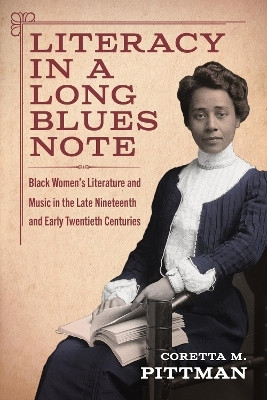
Literacy in a Long Blues Note(English, Hardcover, Pittman Coretta M.)
- Pittman Coretta M.
Paperback & Hardcover deals ―
Amazon IndiaGOFlipkart ₹ 10996SnapdealGOSapnaOnlineGOJain Book AgencyGOBooks Wagon₹614Book ChorGOCrosswordGODC BooksGOe-book & Audiobook deals ―
Amazon India GOGoogle Play Books GOAudible GO* Price may vary from time to time.
* GO = We're not able to fetch the price (please check manually visiting the website).
Know about the book -
Literacy in a Long Blues Note(English, Hardcover, Pittman Coretta M.) is written by Pittman Coretta M. and published by University Press of Mississippi. It's available with International Standard Book Number or ISBN identification 1496843037 (ISBN 10) and 9781496843036 (ISBN 13).
Literacy in a Long Blues Note: Black Women's Literature and Music in the Late Nineteenth and Early Twentieth Centuries traces the evolution of Black women's literacy practices from 1892 to 1934. A dynamic chronological study, the book explores how Black women public intellectuals, creative writers, and classic blues singers sometimes utilize singular but other times overlapping forms of literacies to engage in debates on race. The book begins with Anna J. Cooper's philosophy on race literature as one method for social advancement. From there, author Coretta M. Pittman discusses women from the Woman's and New Negro Eras, including but not limited to Angelina Weld Grimke, Gertrude "Ma" Rainey, and Zora Neale Hurston. The volume closes with an exploration of Victoria Spivey's blues philosophy. The women examined in this book employ forms of transformational, transactional, or specular literacy to challenge systems of racial oppression. However, Literacy in a Long Blues Note argues against prevalent myths that a singular vision for racial uplift dominated the public sphere in the latter decade of the nineteenth century and the early decades of the twentieth century. Instead, by including Black women from various social classes and ideological positions, Pittman reveals alternative visions. Contrary to more moderate predecessors of the Woman's Era and contemporaries in the New Negro Era, classic blues singers like Mamie Smith advanced new solutions against racism. Early twentieth-century writer Angelina Weld Grimke criticized traditional methods for racial advancement as Jim Crow laws tightened restrictions against Black progress. Ultimately, the volume details the agency and literacy practices of these influential women.
