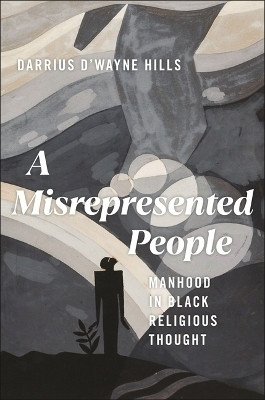
A Misrepresented People(English, Hardcover, Hills Darrius D'wayne)
- Hills Darrius D'wayne
Paperback & Hardcover deals ―
Amazon IndiaGOFlipkart ₹ 8965SnapdealGOSapnaOnlineGOJain Book AgencyGOBooks Wagon₹2,110Book ChorGOCrosswordGODC BooksGOe-book & Audiobook deals ―
Amazon India GOGoogle Play Books GOAudible GO* Price may vary from time to time.
* GO = We're not able to fetch the price (please check manually visiting the website).
Know about the book -
A Misrepresented People(English, Hardcover, Hills Darrius D'wayne) is written by Hills Darrius D'wayne and published by New York University Press. It's available with International Standard Book Number or ISBN identification 1479823287 (ISBN 10) and 9781479823284 (ISBN 13).
Offers a Black male response to the challenge of womanist thought Although much Black religious scholarship has engaged with feminist theory and womanist thought, a gap remains where little work has been done in religious studies to investigate the Black male experience. A Misrepresented People explores how African American men grapple with identity and masculinity in relation to Black religious thought. This book counters the dominant portrayal of Black men in American society as suspicious, morally defective, and irredeemable, and showcases the strength and relevance of Black religious thought in developing alternative notions of Black manhood. Drawing on womanist discourses, African American religious thought, literature, and Black male studies, as well as an examination of the writings and sermons of Howard Thurman and Martin Luther King Jr., Darrius D'wayne Hills offers a vision of Black male identity that is grounded in interpersonal relationships and connection. Positioning identity formation as a religious concern, Hills expands the application of religious scholarship toward the complex social and material realities faced by Black men. In doing so, this volume offers a much-needed new model for understanding Black male gender identity, illustrating how religious thought fosters more holistic and livable futures for African American men.
