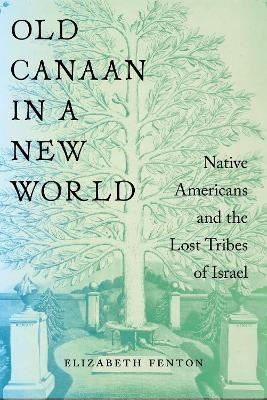
Old Canaan in a New World(English, Paperback, Fenton Elizabeth)
- Fenton Elizabeth
Paperback & Hardcover deals ―
Amazon IndiaGOFlipkart ₹ 3057SnapdealGOSapnaOnlineGOJain Book AgencyGOBooks Wagon₹396Book ChorGOCrosswordGODC BooksGOe-book & Audiobook deals ―
Amazon India GOGoogle Play Books GOAudible GO* Price may vary from time to time.
* GO = We're not able to fetch the price (please check manually visiting the website).
Know about the book -
Old Canaan in a New World(English, Paperback, Fenton Elizabeth) is written by Fenton Elizabeth and published by New York University Press. It's available with International Standard Book Number or ISBN identification 1479820482 (ISBN 10) and 9781479820481 (ISBN 13).
Were indigenous Americans descendants of the lost tribes of Israel? From the moment Europeans realized Columbus had landed in a place unknown to them in 1492, they began speculating about how the Americas and their inhabitants fit into the Bible. For many, the most compelling explanation was the Hebraic Indian theory, which proposed that indigenous Americans were the descendants of the ten lost tribes of Israel. For its proponents, the theory neatly explained why this giant land and its inhabitants were not mentioned in the Biblical record. In Old Canaan in a New World, Elizabeth Fenton shows that though the Hebraic Indian theory may seem far-fetched today, it had a great deal of currency and significant influence over a very long period of American history. Indeed, at different times the idea that indigenous Americans were descended from the lost tribes of Israel was taken up to support political and religious positions on diverse issues including Christian millennialism, national expansion, trade policies, Jewish rights, sovereignty in the Americas, and scientific exploration. Through analysis of a wide collection of writings-from religious texts to novels-Fenton sheds light on a rarely explored but important part of religious discourse in early America. As the Hebraic Indian theory evolved over the course of two centuries, it revealed how religious belief and national interest intersected in early American history.
