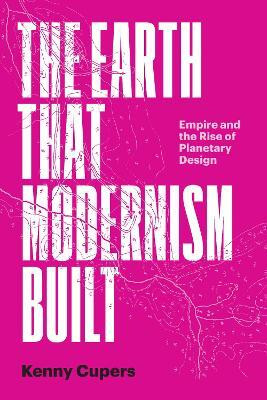
The Earth That Modernism Built(English, Paperback, Cupers Kenny)
- Cupers Kenny
Paperback & Hardcover deals ―
Amazon IndiaGOFlipkart ₹ 3898SnapdealGOSapnaOnlineGOJain Book AgencyGOBooks Wagon₹319Book ChorGOCrosswordGODC BooksGOe-book & Audiobook deals ―
Amazon India GOGoogle Play Books GOAudible GO* Price may vary from time to time.
* GO = We're not able to fetch the price (please check manually visiting the website).
Know about the book -
The Earth That Modernism Built(English, Paperback, Cupers Kenny) is written by Cupers Kenny and published by University of Texas Press. It's available with International Standard Book Number or ISBN identification 1477330216 (ISBN 10) and 9781477330210 (ISBN 13).
An intellectual history of architectural modernism for an age of rising global inequality and environmental crisis. The Earth That Modernism Built traces the rise of planetary design to an imperialist discourse about the influence of the earthly environment on humanity. Kenny Cupers argues that to understand how the earth became an object of design, we need to radically shift the terms of analysis. Rather than describing how new design ideas and practices traveled and transformed people and places across the globe, this book interrogates the politics of life and earth underpinning this process. It demonstrates how approaches to modern housing, landscape design, and infrastructure planning are indebted to an understanding of planetary and human ecology fueled by settler colonialism and imperial ambition. Cupers draws from both canonical and unknown sources and archives in Germany, Namibia, and Poland to situate Wilhelmine and Weimar design projects in an expansive discourse about the relationship between soil, settlement, and race. This reframing reveals connections between colonial officials planning agricultural hinterlands, garden designers proselytizing geopolitical theory, soil researchers turning to folklore, and Bauhaus architects designing modern communities according to functionalist principles. Ultimately, The Earth That Modernism Built shows how the conviction that we can design our way out of environmental crisis is bound to exploitative and divisive ways of inhabiting the earth.
