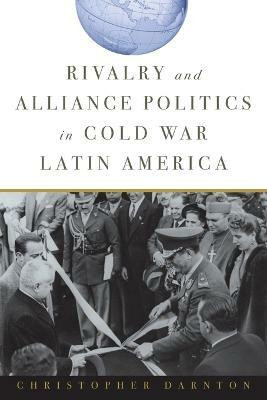
Rivalry and Alliance Politics in Cold War Latin America(English, Paperback, Darnton Christopher)
- Darnton Christopher
Paperback & Hardcover deals ―
Amazon IndiaGOFlipkart ₹ 5929SnapdealGOSapnaOnlineGOJain Book AgencyGOBooks Wagon₹196Book ChorGOCrosswordGODC BooksGOe-book & Audiobook deals ―
Amazon India GOGoogle Play Books GOAudible GO* Price may vary from time to time.
* GO = We're not able to fetch the price (please check manually visiting the website).
Know about the book -
Rivalry and Alliance Politics in Cold War Latin America(English, Paperback, Darnton Christopher) is written by Darnton Christopher and published by Johns Hopkins University Press. It's available with International Standard Book Number or ISBN identification 1421413612 (ISBN 10) and 9781421413617 (ISBN 13).
Rivalry and Alliance Politics in Cold War Latin America, Christopher Darnton's comparative study of the nature of conflict between Latin American states during the Cold War, provides a counterintuitive and shrewd explanation of why diplomacy does or doesn't work. Specifically, he develops a theory that shows how the "parochial interests" of state bureaucracies can overwhelm national leaders' foreign policy initiatives and complicate regional alliances. His thorough evaluation of several twentieth-century Latin American conflicts covers the gamut of diplomatic disputes from border clashes to economic provocations to regional power struggles. Darnton examines the domestic political and economic conditions that contribute either to rivalry (continued conflict) or rapprochement (diplomatic reconciliation), while assessing the impact of U.S. foreign policy.Detailed case studies provide not only a robust test of the theory but also a fascinating tour of Latin American history and Cold War politics, including a multilayered examination of Argentine-Brazilian strategic competition and presidential summits over four decades; three rivalries in Central America following Cuba's 1959 revolution; and how the 1980s debt crisis entangled the diplomatic affairs of several Andean countries. These questions about international rivalry and rapprochement are of particular interest to security studies and international relations scholars, as they seek to understand what defuses regional conflicts, creates stronger incentives for improving diplomatic ties between states, and builds effective alliances. The analysis also bears fruit for contemporary studies of counterterrorism in its critique of parallels between the Cold War and the Global War on Terror, its examination of failed rapprochement efforts between Algeria and Morocco, and its assessment of obstacles to U.S. coalition-building efforts.
