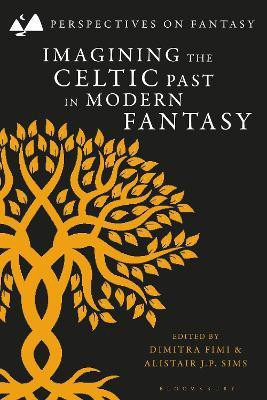
Imagining the Celtic Past in Modern Fantasy(English, Paperback, unknown)
- unknown
Paperback & Hardcover deals ―
Amazon IndiaGOFlipkart ₹ 2615SnapdealGOSapnaOnlineGOJain Book AgencyGOBooks Wagon₹1,532Book ChorGOCrosswordGODC BooksGOe-book & Audiobook deals ―
Amazon India GOGoogle Play Books GOAudible GO* Price may vary from time to time.
* GO = We're not able to fetch the price (please check manually visiting the website).
Know about the book -
Imagining the Celtic Past in Modern Fantasy(English, Paperback, unknown) is written by unknown and published by Bloomsbury Publishing PLC. It's available with International Standard Book Number or ISBN identification 1350350036 (ISBN 10) and 9781350350038 (ISBN 13).
Focusing on representations of Celtic motifs and traditions in post-1980s adult fantasy literature, this book illuminates how the historical, the mythological and the folkloric have served as inspiration for the fantastic in modern and popular culture of the western world. Bringing together both highly-acclaimed works with those that have received less critical attention, including French and Gaelic fantasy literature, Imagining the Celtic Past in Modern Fantasy explores such texts as Susanna Clarke's Jonathan Strange & Mr Norrell, Alan Garner's Weirdstone trilogy, the Irish fantasies of Jodi McIsaac, David Gemmell's Rigante novels, Patricia Kennealy-Morrison Keltiad books, as well as An Sgoil Dhubh by Iain F. MacLeoid and the Vertigen and Frontier series by Lea Silhol. Lively and covering new ground, the collection examines topics such as fairy magic, Celtic-inspired worldbuilding, heroic patterns, classical ethnography and genre tropes alongside analyses of the Celtic Tarot in speculative fiction and Celtic appropriation in fan culture. Introducing a nuanced understanding of the Celtic past, as it has been informed by recent debates in Celtic studies, this wide-ranging and provocative book shows how modern fantasy is indebted to medieval Celtic-language texts, folkloric traditions, as well as classical sources.
