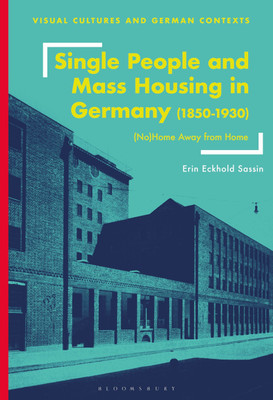
Single People and Mass Housing in Germany, 1850-1930(English, Paperback, Sassin Erin Eckhold)
- Sassin Erin Eckhold
Paperback & Hardcover deals ―
Amazon IndiaGOFlipkart ₹ 2233SnapdealGOSapnaOnlineGOJain Book AgencyGOBooks Wagon₹741Book ChorGOCrosswordGODC BooksGOe-book & Audiobook deals ―
Amazon India GOGoogle Play Books GOAudible GO* Price may vary from time to time.
* GO = We're not able to fetch the price (please check manually visiting the website).
Know about the book -
Single People and Mass Housing in Germany, 1850-1930(English, Paperback, Sassin Erin Eckhold) is written by Sassin Erin Eckhold and published by Bloomsbury Publishing PLC. It's available with International Standard Book Number or ISBN identification 1350282782 (ISBN 10) and 9781350282780 (ISBN 13).
Unsettling traditional understandings of housing reform as focused on the nuclear family with dependent children, Single People and Mass Housing in Germany, 1850-1930 is the first complete study of single-person mass housing in Germany and the pivotal role this class- and gender-specific building type played for over 80 years-in German architectural culture and society, the transnational Progressive reform movement, Feminist discourse, and International Modernism-and its continued relevance. Homes for unmarried men and women, or Ledigenheime, were built for nearly every powerful interest group in Germany-progressive, reactionary, and radical alike-from the mid-nineteenth century into the 1920s. Designed by both unknown craftsmen and renowned architects ranging from Peter Behrens to Bruno Taut, these homes fought unregimented lodging in overcrowded working-class dwellings while functioning as apparatuses of moral and social control. A means to societal reintegration, Ledigenheime effectively bridged the public-private divide and rewrote the rules of who was deserving of quality housing-pointing forward to the building programs of Weimar Berlin and Red Vienna, experimental housing in Soviet Russia, Feminist collectives, accommodations for postwar "guestworkers," and even housing for the elderly today.
