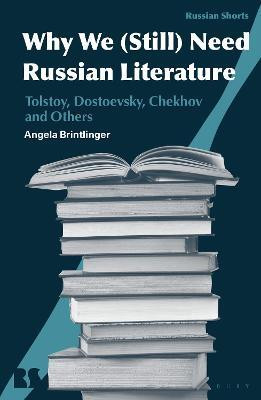
Why We (Still) Need Russian Literature(English, Paperback, Brintlinger Angela)
- Brintlinger Angela
Paperback & Hardcover deals ―
Amazon IndiaGOFlipkart ₹ 1455SnapdealGOSapnaOnlineGOJain Book AgencyGOBooks Wagon₹139Book ChorGOCrosswordGODC BooksGOe-book & Audiobook deals ―
Amazon India GOGoogle Play Books GOAudible GO* Price may vary from time to time.
* GO = We're not able to fetch the price (please check manually visiting the website).
Know about the book -
Why We (Still) Need Russian Literature(English, Paperback, Brintlinger Angela) is written by Brintlinger Angela and published by Bloomsbury Publishing PLC. It's available with International Standard Book Number or ISBN identification 1350242144 (ISBN 10) and 9781350242142 (ISBN 13).
For nearly two centuries readers all over the world have turned to the great canon of Russian literature. Love and death, war and peace, yes, even crime and punishment; readers across the globe have found in Russian writing a substantial measure of intellectual provocation, aesthetic pleasure, emotional resonance, and personal solace. Why We (Still) Need Russian Literature explores the familiar names of Pushkin, Tolstoy, Dostoevsky and Chekhov to connect readers with these experiences. With a lively, jargon-free style and insightful analyses of thought-provoking texts, this concise volume helps you to understand more fully the pleasure to be found in reading, and re-reading. By identifying what readers seek and find in Russian books-from aesthetically pleasing descriptions to apt psychological renderings-Angela Brintlinger aims to enhance the gratification of reading, giving armchair travelers an excuse to embark on a series of fascinating journeys. Drawing on Brintlinger's experiences as a scholar, teacher, and reader of literature, the book is informed by a deep cultural understanding of Russia and Russians. It reveals this through engaging literary meditations that connect Russian literature to the losses, ironies, and ambiguities that define the human condition. Exploring authors' imagined readers as well as authors themselves, Brintlinger argues that it is these readers, from all over the world, who get to decide what literary works are worth reading. As a bonus, she offers an appendix with more names and titles, familiar and perhaps utterly new-books that show the ways in which Russian literature remains vital today.
