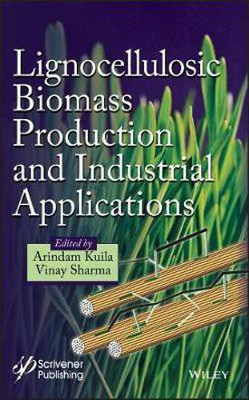
Lignocellulosic Biomass Production and Industrial Applications(English, Electronic book text, unknown)
- unknown
Paperback & Hardcover deals ―
Amazon IndiaGOFlipkart ₹ 3366SnapdealGOSapnaOnlineGOJain Book AgencyGOBooks Wagon₹8,228Book ChorGOCrosswordGODC BooksGOe-book & Audiobook deals ―
Amazon India GOGoogle Play Books ₹175Audible GO* Price may vary from time to time.
* GO = We're not able to fetch the price (please check manually visiting the website).
Know about the book -
Lignocellulosic Biomass Production and Industrial Applications(English, Electronic book text, unknown) is written by unknown and published by John Wiley & Sons Inc. It's available with International Standard Book Number or ISBN identification 1119323878 (ISBN 10) and 9781119323877 (ISBN 13).
This book covers the utilization of lignocellulosic biomass for biofuel production as well as other industrial applications such as in biotechnology, paper and pulp, chemical and bioplastics. Lignocellulosic materials such as agricultural residues (e.g., wheat straw, sugarcane bagasse, corn stover), forest products (hardwood and softwood), and crops such as switchgrass and salix, are becoming a potent source for generating valuable products. Lignocellulosic Biomass Production and Industrial Applications describes the utilization of lignocellulosic biomass for various applications. Although there have been numerous reports on lignocellulosic biomass for biofuel application, there have been very few other applications reported for lignocellulosic biomass-based biotechnology, chemicals and polymers. This book covers both application areas. Besides describing the various types of biofuel production, such as bioethanol, biobutanol, biodiesel and biogas from lignocellulosic biomass, it also presents various other lignocellulosic biomass biorefinery applications for the production of enzymes, chemicals, polymers, paper and bioplastics. In addition, there are chapters on valorization of lignocellulosic materials, alkali treatment to improve the physical, mechanical and chemical properties of lignocellulosic natural fibers, and a discussion of the major benefits, limitations and future prospects of the use of lignocellulosic biomass.
