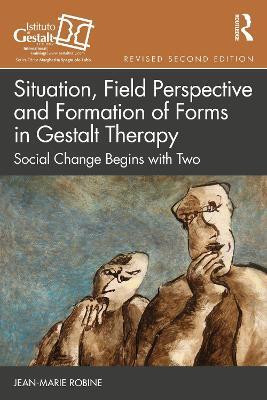
Situation, Field Perspective and Formation of Forms in Gestalt Therapy(English, Paperback, Robine Jean-Marie)
- Robine Jean-Marie
Paperback & Hardcover deals ―
Amazon IndiaGOFlipkart ₹ 2926SnapdealGOSapnaOnlineGOJain Book AgencyGOBooks Wagon₹542Book ChorGOCrosswordGODC BooksGOe-book & Audiobook deals ―
Amazon India GOGoogle Play Books GOAudible GO* Price may vary from time to time.
* GO = We're not able to fetch the price (please check manually visiting the website).
Know about the book -
Situation, Field Perspective and Formation of Forms in Gestalt Therapy(English, Paperback, Robine Jean-Marie) is written by Robine Jean-Marie and published by Taylor & Francis Ltd. It's available with International Standard Book Number or ISBN identification 1032849487 (ISBN 10) and 9781032849485 (ISBN 13).
This volume contains a collection of published and unpublished essays and conference lectures prepared by Jean-Marie Robine. Following the author in his line of thought, readers can learn how Robine has explored some of the topics most dear to him, in which his insights have become key contributions over the last ten years in the international Gestalt community. Robine is one of the most prominent theorists on the contemporary gestalt therapy scene, and this book is a precious contribution to the gestalt therapy community not only for the contents it conveys, but as an example of a paradigmatic model of inquiry - of how to develop gestalt therapy theory and practice by drawing from various grounds and like-minded disciplines and channelling it into the practice of psychotherapy and stimulating new thought, without ever losing the rigor of our foundational epistemology. This new edition features five new chapters covering topics such as the concept of self, establishing a clinical approach to the "situation" in gestalt therapy and the therapeutic relationship. Readers will be taken on a tour of Robine's unique perspectives in areas ranging from philosophical issues to social concerns, clinical insights to political perspectives, without ever losing focus of gestalt therapy. It will be of great value to therapists and students of gestalt therapy.
