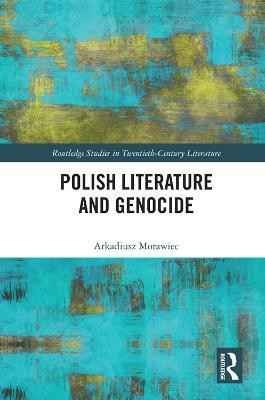
Polish Literature and Genocide(English, Electronic book text, Morawiec Arkadiusz)
- Morawiec Arkadiusz
Paperback & Hardcover deals ―
Amazon IndiaGOFlipkart ₹ 2865SnapdealGOSapnaOnlineGOJain Book AgencyGOBooks Wagon₹230Book ChorGOCrosswordGODC BooksGOe-book & Audiobook deals ―
Amazon India GOGoogle Play Books ₹46.39Audible GO* Price may vary from time to time.
* GO = We're not able to fetch the price (please check manually visiting the website).
Know about the book -
Polish Literature and Genocide(English, Electronic book text, Morawiec Arkadiusz) is written by Morawiec Arkadiusz and published by Taylor & Francis Ltd. It's available with International Standard Book Number or ISBN identification 1000534499 (ISBN 10) and 9781000534498 (ISBN 13).
Polish Literature and Genocide presents the attitude of Polish literature to the 20th-century acts of genocide. This volume examines the literary representations of the Armenian genocide, the Holocaust, and the massacre in Srebrenica in a rich, detailed, and comprehensive way, expanding the existing research and, in some cases, challenging the former sometimes ossified ideas. Polish literature not only reflects the obvious extermination of Jews and Poles, but also records what had been largely overlooked: the extermination of disabled and mentally ill people, the Roma and Sinti, and the Soviet prisoners of war by the Nazis. This volume includes analysis of the literary works of Wladyslaw Szlengel, the most prominent Polish-language poet in the Warsaw ghetto; the peculiar reception of Julian Tuwim's famous poem for children "Locomotive;" the memoir of Leon Weliczker, a prisoner of the Janowska concentration camp in Lvov and a member of the 'death brigade' (Sonderkommando); the origins of Medallions by Zofia Nalkowska, who 'processed' historical documents into literature and contributed to the making of professor Rudolf Spanner's 'dark legend,' and the textual origins of Tadeusz Rozewicz's 'poetry after Auschwitz.' Furthermore, this volume addresses issues related to the genesis and function of 'genocide literature' - aesthetic, cognitive, ideological, and social. This volume will be a crucial resource for academics interested in genocide and Holocaust literary studies.
