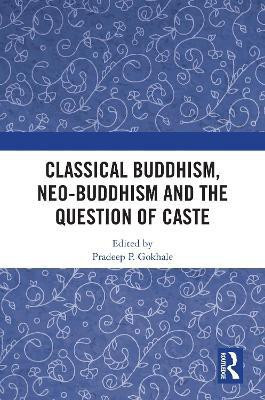
Classical Buddhism, Neo-Buddhism and the Question of Caste(English, Electronic book text, unknown)
- unknown
Paperback & Hardcover deals ―
Amazon IndiaGOFlipkart ₹ 3441SnapdealGOSapnaOnlineGOJain Book AgencyGOBooks Wagon₹175Book ChorGOCrosswordGODC BooksGOe-book & Audiobook deals ―
Amazon India GOGoogle Play Books GOAudible GO* Price may vary from time to time.
* GO = We're not able to fetch the price (please check manually visiting the website).
Know about the book -
Classical Buddhism, Neo-Buddhism and the Question of Caste(English, Electronic book text, unknown) is written by unknown and published by Taylor & Francis Ltd. It's available with International Standard Book Number or ISBN identification 1000202569 (ISBN 10) and 9781000202564 (ISBN 13).
This book examines the interface between Buddhism and the caste system in India. It discusses how Buddhism in different stages, from its early period to contemporary forms-Theravada, Mahayana, Tantrayana and Navayana-dealt with the question of caste. It also traces the intersections between the problem of caste with those of class and gender. The volume reflects on the interaction between Hinduism and Buddhism: it looks at critiques of caste in the classical Buddhist tradition while simultaneously drawing attention to the radical challenge posed by Dr B. R. Ambedkar's Navayana Buddhism or neo-Buddhism. The essays in the book further compare approaches to var?a and caste developed by modern thinkers such as M. K. Gandhi and S. Radhakrishnan with Ambedkar's criticisms and his departures from mainstream appraisals. With its interdisciplinary methodology, combining insights from literature, philosophy, political science and sociology, the volume explores contemporary critiques of caste from the perspective of Buddhism and its historical context. By analyzing religion through the lens of caste and gender, it also forays into the complex relationship between religion and politics, while offering a rigorous study of the textual tradition of Buddhism in India. This book will be useful to scholars and researchers of Indian philosophy, Buddhist studies, Indology, literature (especially Sanskrit and Pali), exclusion and discrimination studies, history, political studies, women studies, sociology, and South Asian studies.
