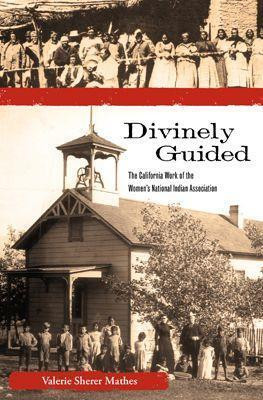
Divinely Guided(English, Paperback, Mathes Valerie Sherer)
- Mathes Valerie Sherer
Paperback & Hardcover deals ―
Amazon IndiaGOFlipkart ₹ 3279SnapdealGOSapnaOnlineGOJain Book AgencyGOBooks Wagon₹303Book ChorGOCrosswordGODC BooksGOe-book & Audiobook deals ―
Amazon India GOGoogle Play Books GOAudible GO* Price may vary from time to time.
* GO = We're not able to fetch the price (please check manually visiting the website).
Know about the book -
Divinely Guided(English, Paperback, Mathes Valerie Sherer) is written by Mathes Valerie Sherer and published by Texas Tech Press,U.S.. It's available with International Standard Book Number or ISBN identification 0896727459 (ISBN 10) and 9780896727458 (ISBN 13).
Founded in Philadelphia in 1879, the WNIA devoted seventy years to working among Native women. Bucking society's narrow sense of women's appropriate sphere, WNIA members across the U.S. built homes, missionary cottages, schools, and chapels, and sponsored teachers and physicians-all with a strong dose of Christianity. Though goals of forced assimilation were as unrealistic as they were unsuccessful, WNIA's contributions to the welfare of Native women were hardly insignificant, especially in California. In the north, they worked at the Round Valley and Hoopa Reservations and realized their most unusual undertaking-the funding of the Greenville Indian Industrial School. In the south they worked with the Native mission populations, where cultural similarities and greater proximity fostered unprecedented cooperation among WNIA workers. Amelia Stone Quinton, longtime WNIA president and editor of The Indian's Friend, provides a consistent narrative thread, as does Helen Hunt Jackson in the chapters on Southern California. Even after Jackson's death, her spiritual presence and the impact of her novel Ramona guided WNIA membership. Mathes's recovery of WNIA history, supported by a wealth of documentation, reveals much about an era's sense of sphere, service, and sisterhood.
