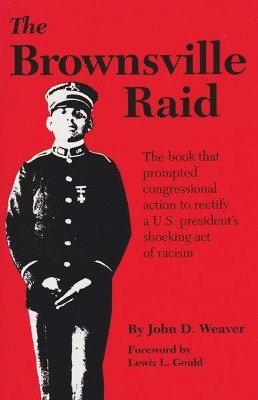
Brownsville Raid(English, Paperback, unknown)
- unknown
Paperback & Hardcover deals ―
Amazon IndiaGOFlipkart ₹ 2709SnapdealGOSapnaOnlineGOJain Book AgencyGOBooks Wagon₹595Book ChorGOCrosswordGODC BooksGOe-book & Audiobook deals ―
Amazon India GOGoogle Play Books ₹13.77Audible GO* Price may vary from time to time.
* GO = We're not able to fetch the price (please check manually visiting the website).
Know about the book -
Brownsville Raid(English, Paperback, unknown) is written by unknown and published by Texas A & M University Press. It's available with International Standard Book Number or ISBN identification 0890965285 (ISBN 10) and 9780890965283 (ISBN 13).
Around midnight on August 13, 1906, shots rang out on the road between Brownsville, Texas, and Fort Brown, the old army garrison. Ten minutes later a young civilian lay dead, and angry residents swarmed the streets, convinced their homes had been terrorized by newly arrived soldiers. Inside Fort Brown, the alarm was sounded. Soldiers leaped from their bunks and grabbed their rifles, thinking they were under attack by hostile townspeople. The soldiers were black; the civilians were white. Still proclaiming their innocence, 167 black infantrymen of the segregated Twenty-fifth Infantry Regiment were summarily dismissed without honor (or a trial) by President Theodore Roosevelt. The Brownsville Raid, first published in 1970, is John D. Weaver's searching study of the flimsy evidence presented in a 1909-1910 court of inquiry. That court had upheld the president's action and closed the case against the soldiers, not one of whom had ever been found guilty of wrongdoing. The case remained closed until 1971 when, after reading The Brownsville Raid, Congressman Augustus F. Hawkins of Los Angeles introduced a bill to have the Defense Department rectify the injustice. Amid a flurry of national publicity, honorable discharges were finally granted in 1972. All were posthumous except for that of Private Dorsie Willis, who received his in a moving ceremony on his eighty-seventh birthday.
