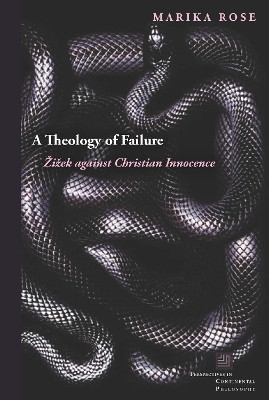
A Theology of Failure(English, Electronic book text, Rose Marika)
- Rose Marika
Paperback & Hardcover deals ―
Amazon IndiaGOFlipkart ₹ 2700SnapdealGOSapnaOnlineGOJain Book AgencyGOBooks Wagon₹2,441Book ChorGOCrosswordGODC BooksGOe-book & Audiobook deals ―
Amazon India GOGoogle Play Books ₹38.99Audible GO* Price may vary from time to time.
* GO = We're not able to fetch the price (please check manually visiting the website).
Know about the book -
A Theology of Failure(English, Electronic book text, Rose Marika) is written by Rose Marika and published by Fordham University Press. It's available with International Standard Book Number or ISBN identification 0823284093 (ISBN 10) and 9780823284092 (ISBN 13).
Everyone agrees that theology has failed; but the question of how to understand and respond to this failure is complex and contested. Against both the radical orthodox attempt to return to a time before the theology's failure and the deconstructive theological attempt to open theology up to the hope of a future beyond failure, Rose proposes an account of Christian identity as constituted by, not despite, failure. Understanding failure as central to theology opens up new possibilities for confronting Christianity's violent and kyriarchal history and abandoning the attempt to discover a pure Christ outside of the grotesque materiality of the church. The Christian mystical tradition begins with Dionysius the Areopagite's uncomfortable but productive conjunction of Christian theology and Neoplatonism. The tensions generated by this are central to Dionysius's legacy, visible not only in subsequent theological thought but also in much twentieth century continental philosophy as it seeks to disentangle itself from its Christian ancestry. A Theology of Failure shows how the work of Slavoj Zizek represents an attempt to repeat the original move of Christian mystical theology, bringing together the themes of language, desire, and transcendence not with Neoplatonism but with a materialist account of the world. Tracing these themes through the work of Dionysius and Derrida and through contemporary debates about the gift, violence, and revolution, this book offers a critical theological engagement with Zizek's account of social and political transformation, showing how Zizek's work makes possible a materialist reading of apophatic theology and Christian identity.
