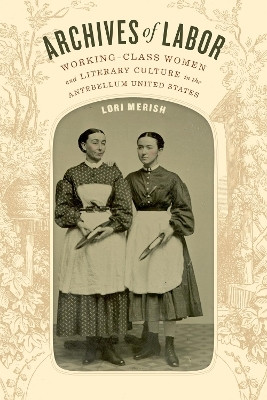
Archives of Labor(English, Paperback, Merish Lori)
- Merish Lori
Paperback & Hardcover deals ―
Amazon IndiaGOFlipkart ₹ 3412SnapdealGOSapnaOnlineGOJain Book AgencyGOBooks Wagon₹922Book ChorGOCrosswordGODC BooksGOe-book & Audiobook deals ―
Amazon India GOGoogle Play Books GOAudible GO* Price may vary from time to time.
* GO = We're not able to fetch the price (please check manually visiting the website).
Know about the book -
Archives of Labor(English, Paperback, Merish Lori) is written by Merish Lori and published by Duke University Press. It's available with International Standard Book Number or ISBN identification 0822363224 (ISBN 10) and 9780822363224 (ISBN 13).
In Archives of Labor Lori Merish establishes working-class women as significant actors within literary culture, dramatically redrawing the map of nineteenth-century US literary and cultural history. Delving into previously unexplored archives of working-class women's literature-from autobiographies, pamphlet novels, and theatrical melodrama to seduction tales and labor periodicals-Merish recovers working-class women's vital presence as writers and readers in the antebellum era. Her reading of texts by a diverse collection of factory workers, seamstresses, domestic workers, and prostitutes boldly challenges the purportedly masculine character of class dissent during this era. Whether addressing portrayals of white New England "factory girls," fictional accounts of African American domestic workers, or the first-person narratives of Mexican women working in the missions of Mexican California, Merish unsettles the traditional association of whiteness with the working class to document forms of cross-racial class identification and solidarity. In so doing, she restores the tradition of working women's class protest and dissent, shows how race and gender are central to class identity, and traces the ways working women understood themselves and were understood as workers and class subjects.
