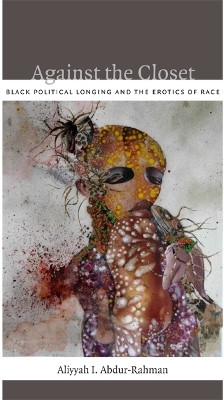
Against the Closet(English, Paperback, Abdur-Rahman Aliyyah I.)
- Abdur-Rahman Aliyyah I.
Paperback & Hardcover deals ―
Amazon IndiaGOFlipkart ₹ 2916SnapdealGOSapnaOnlineGOJain Book AgencyGOBooks Wagon₹1,263Book ChorGOCrosswordGODC BooksGOe-book & Audiobook deals ―
Amazon India GOGoogle Play Books GOAudible GO* Price may vary from time to time.
* GO = We're not able to fetch the price (please check manually visiting the website).
Know about the book -
Against the Closet(English, Paperback, Abdur-Rahman Aliyyah I.) is written by Abdur-Rahman Aliyyah I. and published by Duke University Press. It's available with International Standard Book Number or ISBN identification 0822352419 (ISBN 10) and 9780822352419 (ISBN 13).
In Against the Closet, Aliyyah I. Abdur-Rahman interrogates and challenges cultural theorists' interpretations of sexual transgression in African American literature. She argues that, from the mid-nineteenth century through the twentieth, black writers used depictions of erotic transgression to contest popular theories of identity, pathology, national belonging, and racial difference in American culture. Connecting metaphors of sexual transgression to specific historical periods, Abdur-Rahman explains how tropes such as sadomasochism and incest illuminated the psychodynamics of particular racial injuries and suggested forms of social repair and political redress from the time of slavery, through post-Reconstruction and the civil rights and black power movements, to the late twentieth century. Abdur-Rahman brings black feminist, psychoanalytic, critical race, and poststructuralist theories to bear on literary genres from slave narratives to science fiction. Analyzing works by African American writers, including Frederick Douglass, Pauline Hopkins, Harriet Jacobs, James Baldwin, and Octavia Butler, she shows how literary representations of transgressive sexuality expressed the longings of African Americans for individual and collective freedom. Abdur-Rahman contends that those representations were fundamental to the development of African American forms of literary expression and modes of political intervention and cultural self-fashioning.
