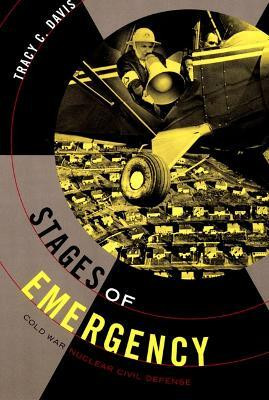
Stages of Emergency(English, Paperback, Davis Tracy C.)
- Davis Tracy C.
Paperback & Hardcover deals ―
Amazon IndiaGOFlipkart ₹ 4695SnapdealGOSapnaOnlineGOJain Book AgencyGOBooks Wagon₹295Book ChorGOCrosswordGODC BooksGOe-book & Audiobook deals ―
Amazon India GOGoogle Play Books GOAudible GO* Price may vary from time to time.
* GO = We're not able to fetch the price (please check manually visiting the website).
Know about the book -
Stages of Emergency(English, Paperback, Davis Tracy C.) is written by Davis Tracy C. and published by Duke University Press. It's available with International Standard Book Number or ISBN identification 0822339706 (ISBN 10) and 9780822339700 (ISBN 13).
In an era defined by the threat of nuclear annihilation, Western nations attempted to prepare civilian populations for atomic attack through staged drills, evacuations, and field exercises. In Stages of Emergency the distinguished performance historian Tracy C. Davis investigates the fundamentally theatrical nature of these Cold War civil defense exercises. Asking what it meant for civilians to be rehearsing nuclear war, she provides a comparative study of the civil defense maneuvers conducted by three NATO allies-the United States, Canada, and the United Kingdom-during the 1950s and 1960s. Delving deep into the three countries' archives, she analyzes public exercises involving private citizens-Boy Scouts serving as mock casualties, housewives arranging home protection, clergy training to be shelter managers-as well as covert exercises undertaken by civil servants. Stages of Emergency covers public education campaigns and school programs-such as the ubiquitous "duck and cover" drills-meant to heighten awareness of the dangers of a possible attack, the occupancy tests in which people stayed sequestered for up to two weeks to simulate post-attack living conditions as well as the effects of confinement on interpersonal dynamics, and the British first-aid training in which participants acted out psychological and physical trauma requiring immediate treatment. Davis also brings to light unpublicized government exercises aimed at anticipating the global effects of nuclear war. Her comparative analysis shows how the differing priorities, contingencies, and social policies of the three countries influenced their rehearsals of nuclear catastrophe. When the Cold War ended, so did these exercises, but, as Davis points out in her perceptive afterword, they have been revived-with strikingly similar recommendations-in response to twenty-first-century fears of terrorists, dirty bombs, and rogue states.
