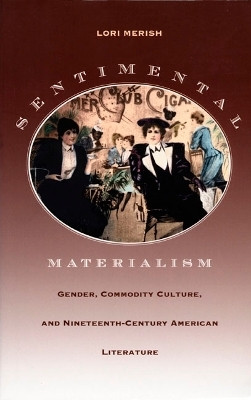
Sentimental Materialism(English, Paperback, Merish Lori)
- Merish Lori
Paperback & Hardcover deals ―
Amazon IndiaGOFlipkart ₹ 4662SnapdealGOSapnaOnlineGOJain Book AgencyGOBooks Wagon₹517Book ChorGOCrosswordGODC BooksGOe-book & Audiobook deals ―
Amazon India GOGoogle Play Books GOAudible GO* Price may vary from time to time.
* GO = We're not able to fetch the price (please check manually visiting the website).
Know about the book -
Sentimental Materialism(English, Paperback, Merish Lori) is written by Merish Lori and published by Duke University Press. It's available with International Standard Book Number or ISBN identification 0822325160 (ISBN 10) and 9780822325161 (ISBN 13).
In Sentimental Materialism Lori Merish considers the intricate relationship between consumption and womanhood in the late eighteenth and nineteenth centuries. Taking as her starting point a diversity of cultural artifacts-from domestic fiction and philosophical treatises to advice literature and cigars-Merish explores the symbolic functions they served and finds that consumption evolved into a form of personal expressiveness that indicated not only a woman's wealth and taste but also her race, class, morality, and civic values. The discursive production of this new subjectivity-the feminine consumer-was remarkably influential, helping to shape American capitalism, culture, and nation building. The phenomenon of female consumption was capitalism's complement to male production: It created what Merish calls the "Other Protestant Ethic,"a feminine and sentimental counterpart to Max Weber's ethic of hard work, economic rationality, and self-control. In addition, driven by the culture's effort to civilize the "cannibalistic" practices of ethnic, class, and national otherness, appropriate female consumerism, marked by taste and refinement, identified certain women and their families as proper citizens of the United States. The public nature of consumption, however, had curiously conflicting effects: While the achievement of cultured material circumstances facilitated women's civic agency, it also reinforced stereotypes of domestic womanhood. Sentimental Materialism's inquiry into middle-class consumption and accompanying ideals of womanhood will appeal to readers in a variety of disciplines, including American studies, cultural studies, feminist theory, and cultural history.
