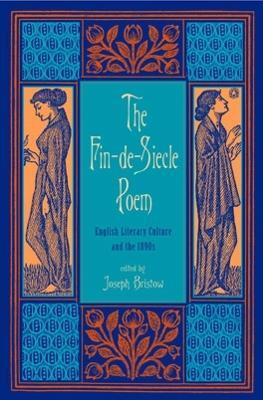
The Fin-de-Siecle Poem(English, Hardcover, unknown)
- unknown
Paperback & Hardcover deals ―
Amazon IndiaGOFlipkart ₹ 3013SnapdealGOSapnaOnlineGOJain Book AgencyGOBooks Wagon₹1,575Book ChorGOCrosswordGODC BooksGOe-book & Audiobook deals ―
Amazon India GOGoogle Play Books GOAudible GO* Price may vary from time to time.
* GO = We're not able to fetch the price (please check manually visiting the website).
Know about the book -
The Fin-de-Siecle Poem(English, Hardcover, unknown) is written by unknown and published by Ohio University Press. It's available with International Standard Book Number or ISBN identification 0821416278 (ISBN 10) and 9780821416273 (ISBN 13).
Featuring innovative research by emergent and established scholars, The Fin-de-Siecle Poem throws new light on the remarkable diversity of poetry produced at the close of the nineteenth century in England. Opening with a detailed preface that explains why literary historians have frequently underrated fin-de-siecle poetry, the collection shows how a strikingly rich body of lyrical and narrative poems anticipated many of the developments traditionally attributed to Modernism. Each chapter provides insights into the ways in which late-nineteenth-century poets represented their experiences of the city, their attitudes toward sexuality, their responses to empire, and their interest in religious belief. The eleven essays presented by editor Joseph Bristow pay renewed attention to the achievements of writers such as Oscar Wilde, John Davidson, Ernest Dowson, Lionel Johnson, and W. B. Yeats, who dominated the literary scene of the 1890s. This book also explores the lesser-known but equally significant advances made by notable women poets, including Michael Field, Amy Levy, Charlotte Mew, Alice Meynell, A. Mary F. Robinson, and Graham R. Tomson. The Fin-de-Siecle Poem brings together innovative research on poetry that has been typecast as the attenuated Victorianism that was rejected by Modernism. The contributors underscore the remarkable innovations in English poetry of the 1880s and 1890s and show how women poets stood shoulder-to-shoulder with their better-known male contemporaries.
