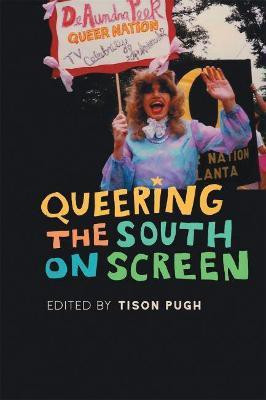
Queering the South on Screen(English, Paperback, unknown)
- unknown
Paperback & Hardcover deals ―
Amazon IndiaGOFlipkart ₹ 3463SnapdealGOSapnaOnlineGOJain Book AgencyGOBooks Wagon₹1,375Book ChorGOCrosswordGODC BooksGOe-book & Audiobook deals ―
Amazon India GOGoogle Play Books GOAudible GO* Price may vary from time to time.
* GO = We're not able to fetch the price (please check manually visiting the website).
Know about the book -
Queering the South on Screen(English, Paperback, unknown) is written by unknown and published by University of Georgia Press. It's available with International Standard Book Number or ISBN identification 0820356727 (ISBN 10) and 9780820356723 (ISBN 13).
Within the realm of American culture and its construction of its citizenry, geography, and ideology, who are southerners and who are queers, and what is the South and what is queerness? Queering the South on Screen addresses these questions by examining the intersections of queerness, regionalism, and identity depicted in film, television, and other visual media about the South during the twentieth and twenty-first centuries. Southern queers on screen often reflect the fantasy of cultural stereotypes. Editor Tison Pugh contends that when southern queers appear in films and on television, and when southern queers watch these portrayals, the inherent contradictions of these cultural depictions reveal the fault lines of gender, geography, and desire. These underlying schisms point to the infinite, if infrequently portrayed, possibilities of actual queer southern life. Examining a range of materials, including gothic horror films and drag queens on public-access television, the contributors show that queer southerners have always expressed desires for distinctiveness in the making and consumption of visual media. Read together, the introduction and twelve chapters deconstruct premeditated labels of identity such as queer and southern. In doing so, they expose the reflexive nature of these labels to construct ideological fantasies of southerners regardless of the complexity of their lives.
