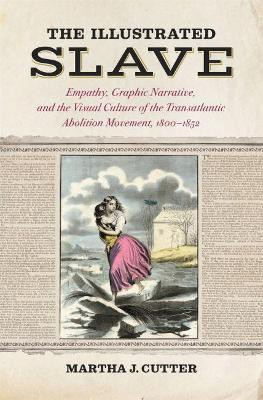
The Illustrated Slave(English, Hardcover, Cutter Martha J.)
- Cutter Martha J.
Paperback & Hardcover deals ―
Amazon IndiaGOFlipkart ₹ 4437SnapdealGOSapnaOnlineGOJain Book AgencyGOBooks Wagon₹209Book ChorGOCrosswordGODC BooksGOe-book & Audiobook deals ―
Amazon India GOGoogle Play Books GOAudible GO* Price may vary from time to time.
* GO = We're not able to fetch the price (please check manually visiting the website).
Know about the book -
The Illustrated Slave(English, Hardcover, Cutter Martha J.) is written by Cutter Martha J. and published by University of Georgia Press. It's available with International Standard Book Number or ISBN identification 0820351164 (ISBN 10) and 9780820351162 (ISBN 13).
From the 1787 Wedgwood antislavery medallion featuring the image of an enchained and pleading black body to Quentin Tarantino's Django Unchained (2012) and Steve McQueen's Twelve Years a Slave (2013), slavery as a system of torture and bondage has fascinated the optical imagination of the transatlantic world. Scholars have examined various aspects of the visual culture that was slavery, including its painting, sculpture, pamphlet campaigns, and artwork. Yet an important piece of this visual culture has gone unexamined: the popular and frequently reprinted antislavery illustrated books published prior to Harriet Beecher Stowe's Uncle Tom's Cabin (1852) that were utilized extensively by the antislavery movement in the first half of the nineteenth century. The Illustrated Slave analyzes some of the more innovative works in the archive of antislavery illustrated books published from 1800 to 1852 alongside other visual materials that depict enslavement. Martha J. Cutter argues that some illustrated narratives attempt to shift a viewing reader away from pity and spectatorship into a mode of empathy and interrelationship with the enslaved. She also contends that some illustrated books characterize the enslaved as obtaining a degree of control over narrative and lived experiences, even if these figurations entail a sense that the story of slavery is beyond representation itself. Through exploration of famous works such as Uncle Tom's Cabin, as well as unfamiliar ones by Amelia Opie, Henry Bibb, and Henry Box Brown, she delineates a mode of radical empathy that attempts to destroy divisions between the enslaved individual and the free white subject and between the viewer and the viewed.
