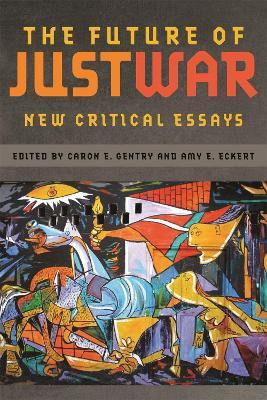
The Future of Just War(English, Paperback, unknown)
- unknown
Paperback & Hardcover deals ―
Amazon IndiaGOFlipkart ₹ 3509SnapdealGOSapnaOnlineGOJain Book AgencyGOBooks Wagon₹770Book ChorGOCrosswordGODC BooksGOe-book & Audiobook deals ―
Amazon India GOGoogle Play Books GOAudible GO* Price may vary from time to time.
* GO = We're not able to fetch the price (please check manually visiting the website).
Know about the book -
The Future of Just War(English, Paperback, unknown) is written by unknown and published by University of Georgia Press. It's available with International Standard Book Number or ISBN identification 0820345601 (ISBN 10) and 9780820345604 (ISBN 13).
Just War scholarship has adapted to contemporary crises and situations. But its adaptation has spurned debate and conversation-a method and means of pushing its thinking forward. Now the Just War tradition risks becoming marginalized. This concern may seem out of place as Just War literature is proliferating, yet this literature remains welded to traditional conceptualizations of Just War. Caron E. Gentry and Amy E. Eckert argue that the tradition needs to be updated to deal with substate actors within the realm of legitimate authority, private military companies, and the questionable moral difference between the use of conventional and nuclear weapons. Additionally, as recent policy makers and scholars have tried to make the Just War criteria legalistic, they have weakened the tradition's ability to draw from and adjust to its contemporaneous setting. The essays in The Future of Just War seek to reorient the tradition around its core concerns of preventing the unjust use of force by states and limiting the harm inflicted on vulnerable populations such as civilian noncombatants. The pursuit of these challenges involves both a reclaiming of traditional Just War principles from those who would push it toward greater permissiveness with respect to war, as well as the application of Just War principles to emerging issues, such as the growing use of robotics in war or the privatization of force. These essays share a commitment to the idea that the tradition is more about a rigorous application of Just War principles than the satisfaction of a checklist of criteria to be met before waging "just" war in the service of national interest.
