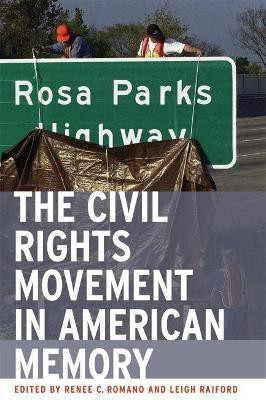
The Civil Rights Movement in American Memory(English, Paperback, unknown)
- unknown
Paperback & Hardcover deals ―
Amazon IndiaGOFlipkart ₹ 4537SnapdealGOSapnaOnlineGOJain Book AgencyGOBooks Wagon₹375Book ChorGOCrosswordGODC BooksGOe-book & Audiobook deals ―
Amazon India GOGoogle Play Books GOAudible GO* Price may vary from time to time.
* GO = We're not able to fetch the price (please check manually visiting the website).
Know about the book -
The Civil Rights Movement in American Memory(English, Paperback, unknown) is written by unknown and published by University of Georgia Press. It's available with International Standard Book Number or ISBN identification 0820328146 (ISBN 10) and 9780820328140 (ISBN 13).
The movement for civil rights in America peaked in the 1950s and 1960s; however, a closely related struggle, this time over the movement's legacy, has been heatedly engaged over the past two decades. How the civil rights movement is currently being remembered in American politics and culture-and why it matters-is the common theme of the thirteen essays in this unprecedented collection. Memories of the movement are being created and maintained-in ways and for purposes we sometimes only vaguely perceive-through memorials, art exhibits, community celebrations, and even street names. At least fifteen civil rights movement museums have opened since 1990; Mississippi Burning, Four Little Girls, and The Long Walk Home only begin to suggest the range of film and television dramatizations of pivotal events; corporations increasingly employ movement images to sell fast food, telephones, and more; and groups from Christian conservatives to gay rights activists have claimed the civil rights mantle. Contests over the movement's meaning are a crucial part of the continuing fight against racism and inequality. These writings look at how civil rights memories become established as fact through museum exhibits, street naming, and courtroom decisions; how our visual culture transmits the memory of the movement; how certain aspects of the movement have come to be ignored in its "official" narrative; and how other political struggles have appropriated the memory of the movement. Here is a book for anyone interested in how we collectively recall, claim, understand, and represent the past.
