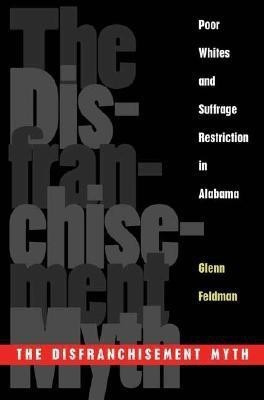
The Disfranchisement Myth(English, Hardcover, Feldman Glenn)
- Feldman Glenn
Paperback & Hardcover deals ―
Amazon IndiaGOFlipkart ₹ 3140SnapdealGOSapnaOnlineGOJain Book AgencyGOBooks Wagon₹1,185Book ChorGOCrosswordGODC BooksGOe-book & Audiobook deals ―
Amazon India GOGoogle Play Books GOAudible GO* Price may vary from time to time.
* GO = We're not able to fetch the price (please check manually visiting the website).
Know about the book -
The Disfranchisement Myth(English, Hardcover, Feldman Glenn) is written by Feldman Glenn and published by University of Georgia Press. It's available with International Standard Book Number or ISBN identification 0820326151 (ISBN 10) and 9780820326153 (ISBN 13).
This study challenges decades of scholarship on an ever-topical but misunderstood impulse behind disfranchisement in America: racism. In 1901 Alabama adopted a new state constitution intended to strip its black citizens of their voting rights. Alabama was not the only state that disfranchised blacks; however, it was the only one where the issue was put to a popular vote by referendum. Glenn Feldman looks anew at the causes and consequences of this landmark event to revise the misleadingly neat view that historians have handed down to us. Drawing on court documents, voting statistics, civil rights and labor records, and many other sources, Feldman shows that the racist appeals of Alabama's white planters, industrialists, and other conservatives motivated poor whites in far greater numbers and for more complex reasons than received knowledge concedes. The seemingly natural allies of blacks, poor whites constituted most of the white opposition to disfranchisement, says Feldman. Yet the number of poor whites who backed the new constitution was greater. Ultimately, many would be disfranchised by the very measures they had believed were aimed only at blacks. In that sense, says Feldman, poor whites were ""more parties to their own demise than the mere victims of circumstance."" Such conclusions run counter to those associated with historians. J. Morgan Kousser, C. Vann Woodward, and others. Giving new emphasis to race preoccupations where these scholars had focused on class divisions, Feldman reveals the vitally important role that emotion has played in influencing the political behavior of white southerners - often to their profound political and economic detriment. The Disfranchisement Myth has much to say about the tendency of ""plain"" people in the South - then and now - to allow prejudice and fear to distract them from the pursuit of their rational political interests.
