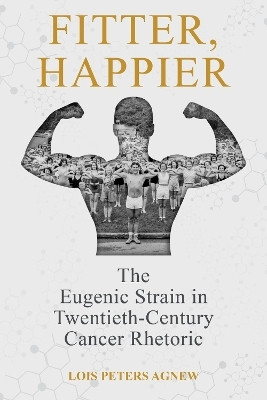
Fitter, Happier(English, Paperback, Agnew Lois Peters)
- Agnew Lois Peters
Paperback & Hardcover deals ―
Amazon IndiaGOFlipkart ₹ 3388SnapdealGOSapnaOnlineGOJain Book AgencyGOBooks Wagon₹3,733Book ChorGOCrosswordGODC BooksGOe-book & Audiobook deals ―
Amazon India GOGoogle Play Books GOAudible GO* Price may vary from time to time.
* GO = We're not able to fetch the price (please check manually visiting the website).
Know about the book -
Fitter, Happier(English, Paperback, Agnew Lois Peters) is written by Agnew Lois Peters and published by The University of Alabama Press. It's available with International Standard Book Number or ISBN identification 0817361340 (ISBN 10) and 9780817361341 (ISBN 13).
Fitter, Happier: The Eugenic Strain in Twentieth-Century Cancer Rhetoric is a thought-provoking exploration of the relationship between cancer rhetoric, American ideals, and eugenic influences in the twentieth century. This groundbreaking work delves into the paradoxical interplay between acknowledging the genuine threat of cancer and the ingrained American ethos of confidence and control. Agnew's meticulous research traces the topic's historical context, unveiling how cancer discourses evolved from a hushed personal concern to a public issue thanks to the rise of cancer research centers and advocacy organizations. However, she unearths a troubling dimension to these discussions-subtle yet persistent eugenic ideologies that taint cancer arguments and advocacy groups. By dissecting prevailing cancer narratives, Agnew brings into focus how ideals rooted in eliminating imperfections and embracing progress converge with concerns for safeguarding societal fitness. Fitter, Happier scrutinizes the military origins and metaphors that permeate government policies and medical research, the transformation of cancer's association with melancholy into a rallying cry for a positive outlook, and the nuanced implications of prevention-focused dialogues. Reflecting on the varied experiences of actual cancer patients, Agnew resists the neat assimilation of these stories into a eugenic framework. Agnew's insights prompt readers to contemplate the societal meanings of disease and disability as well as how language constructs our shared reality.
