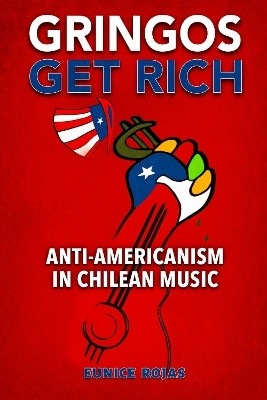
Gringos Get Rich(English, Paperback, Rojas Eunice)
- Rojas Eunice
Paperback & Hardcover deals ―
Amazon IndiaGOFlipkart ₹ 3678SnapdealGOSapnaOnlineGOJain Book AgencyGOBooks Wagon₹988Book ChorGOCrosswordGODC BooksGOe-book & Audiobook deals ―
Amazon India GOGoogle Play Books GOAudible GO* Price may vary from time to time.
* GO = We're not able to fetch the price (please check manually visiting the website).
Know about the book -
Gringos Get Rich(English, Paperback, Rojas Eunice) is written by Rojas Eunice and published by The University of Alabama Press. It's available with International Standard Book Number or ISBN identification 0817360972 (ISBN 10) and 9780817360979 (ISBN 13).
Documents counterimperialism in Chilean music since the 1960s Gringos Get Rich: Anti-Americanism in Chilean Music examines anti-Americanism in Latin America as manifested in Chilean music in recent history. From a folk-based movement in the 1960s and early 1970s to underground punk rock groups during the Pinochet regime, to socially conscious hip-hop artists of postdictatorship Chile, Chilean music has followed several left-leaning transnational musical trends to grapple with Chile's fluctuating relationship with the United States. Eunice Rojas's innovative analysis introduces US readers to a wide swath of Chilean musicians and their powerful protest songs and provides a representative and long view of the negative influences of the United States in Latin America. Much of the criticism of the United States in Chile's music centers on the perception of the United States as a heavy-handed source of capitalist imperialism that is exploitative of and threatening to Chile's poor and working-class public and to Chilean cultural independence and integrity. Rojas incorporates Antonio Gramsci's theories about the difficulties of struggles for cultural power within elitist capitalist systems to explore anti-Americanism and anti-capitalist music. Ultimately, Rojas shows how the music from various genres, time periods, and political systems attempts to act as a counterhegemonic alternative to Chile's political, cultural, and economic status quo. Rojas's insight is timely as a political trend toward the right continues in the Americas. There is also increased interest in and acceptance of popular song lyrics as literary texts. The book will appeal to Latin Americanists, ethnomusicologists, scholars of popular culture and international relations, students, and general readers.
