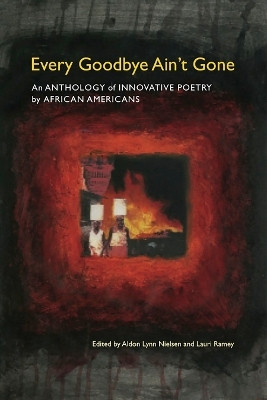
Every Goodbye Ain't Gone(English, Paperback, unknown)
- unknown
Paperback & Hardcover deals ―
Amazon IndiaGOFlipkart ₹ 2790SnapdealGOSapnaOnlineGOJain Book AgencyGOBooks Wagon₹369Book ChorGOCrosswordGODC BooksGOe-book & Audiobook deals ―
Amazon India GOGoogle Play Books GOAudible GO* Price may vary from time to time.
* GO = We're not able to fetch the price (please check manually visiting the website).
Know about the book -
Every Goodbye Ain't Gone(English, Paperback, unknown) is written by unknown and published by The University of Alabama Press. It's available with International Standard Book Number or ISBN identification 0817352791 (ISBN 10) and 9780817352790 (ISBN 13).
Just prior to the Second World War, and even more explosively in the 1950s and 1960s, a far-reaching revolution in aesthetics and prosody by black poets ensued, some working independently and others in organized groups. Little of this new work was reflected in the anthologies and syllabi of college English courses of the period. Even during the 1970s, when African American literature began to receive substantial critical attention, the work of many experimental black poets continued to be neglected. ""Every Goodbye Ain't Gone"" presents the groundbreaking work of many of these poets who carried on the innovative legacies of Melvin Tolson, Gwendolyn Brooks, and Robert Hayden. Whereas poetry by key figures such as Amirt Baraka, Tolson, Jayne Cortez, Clarence Major, and June Jordan is represented, this anthology also elevates into view the work of less studied poets such as Russell Atkins, Jodi Braxton, David Henderson, Bob Kaufman, Stephen Jonas, and Elouise Loftin. Many of the poems collected in the volume are currently unavailable and some will appear in print here for the first time. Coeditors Aldon Lynn Nielsen and Lauri Ramey provide a critical introduction that situates the poems historically and highlights the ways such poetry has been obscured from view by recent critical and academic practices. The result is a record of experimentation, instigation, and innovation that links contemporary African American poetry to its black modernist roots and extends the terms of modern poetics into the future.
