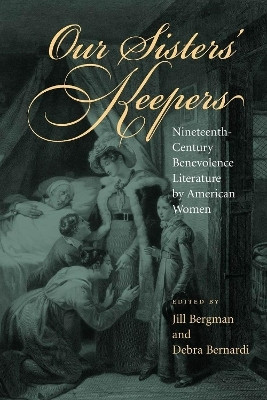
Our Sisters' Keepers(English, Paperback, unknown)
- unknown
Paperback & Hardcover deals ―
Amazon IndiaGOFlipkart ₹ 3451SnapdealGOSapnaOnlineGOJain Book AgencyGOBooks Wagon₹339Book ChorGOCrosswordGODC BooksGOe-book & Audiobook deals ―
Amazon India GOGoogle Play Books GOAudible GO* Price may vary from time to time.
* GO = We're not able to fetch the price (please check manually visiting the website).
Know about the book -
Our Sisters' Keepers(English, Paperback, unknown) is written by unknown and published by The University of Alabama Press. It's available with International Standard Book Number or ISBN identification 0817351930 (ISBN 10) and 9780817351939 (ISBN 13).
This book contains essays on the roles played by women in forming American attitudes about benevolence and poverty relief. American culture has long had a conflicted relationship with assistance to the poor. Cotton Mather and John Winthrop were staunch proponents of Christian charity as fundamental to colonial American society, while transcendentalists harboured deep scepticism towards benevolence in favour of Emersonian self-reliance and Thoreau's insistence on an ascetic life. Women in the 19th century, as these essays show, approached issues of benevolence far differently than their male counterparts, consistently promoting assistance to the impoverished, in both their acts and their writings. These essays address a wide range of subjects: images of the sentimental seamstress figure in women's fiction; Rebecca Harding Davis's rewriting of the ""industrial"" novel; Sarah Orne Jewett's place in the transcendental tradition of scepticism toward charity, and her subversion of it; the genre of the poorhouse narrative; and the philanthropic work and writings of Hull House founder Jane Addams. As the editors of ""Our Sisters' Keepers"" argue, the vulnerable and marginal positions occupied by many women in the 19th century fostered an empathetic sensitivity in them to the plight of the poor, and their ability to act and write in advocacy of the impoverished offered a form of empowerment not otherwise available to them. The result was the reformulation of the concept of the American individual.
