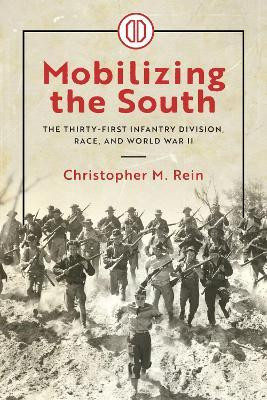
Mobilizing the South(English, Hardcover, Rein Christopher M.)
- Rein Christopher M.
Paperback & Hardcover deals ―
Amazon IndiaGOFlipkart ₹ 6108SnapdealGOSapnaOnlineGOJain Book AgencyGOBooks Wagon₹547Book ChorGOCrosswordGODC BooksGOe-book & Audiobook deals ―
Amazon India GOGoogle Play Books GOAudible GO* Price may vary from time to time.
* GO = We're not able to fetch the price (please check manually visiting the website).
Know about the book -
Mobilizing the South(English, Hardcover, Rein Christopher M.) is written by Rein Christopher M. and published by The University of Alabama Press. It's available with International Standard Book Number or ISBN identification 0817321349 (ISBN 10) and 9780817321345 (ISBN 13).
Recounts the social, racial, and political dramas that attended the deployment of a major Deep South infantry division, both at home and abroad Chris Rein's study of the Thirty-First Infantry Division, known officially as the "Dixie Division," illuminates the complexities in mobilizing American reserve units to meet the global emergency during World War II. Citizen soldiers from Alabama, Florida, Louisiana, and Mississippi formed the core of one of the ninety infantry divisions the Army successfully activated, trained, equipped, and deployed to defeat fascism in Europe and race-based imperialism in the Pacific. But the Army mobilized ideas along with manpower, and soldiers from across the Jim Crow South brought their racial ideas and views with them into the ranks and then exported these across the South Pacific. If the American victory in World War II represents a "double victory" over racism abroad and at home, the division's service is a cogent reminder that the same powerful force could pull in opposite directions. While focused on the division's operational service during the war years, Mobilizing the South: The Thirty-First Infantry Division, Race, and World War II spans the division's entire service from 1917 to 1967, from an interwar period highlighted by responses to natural disasters and facing down lynch mobs through a postwar service that included protecting activists in the most important struggles of the civil rights era. But the division's extended service as a training establishment highlights lingering resentments and tensions within the American military system between the active and reserve components. Despite this, the division performed well in General Douglas MacArthur's island-hopping campaign across the South Pacific. Using official records as well as details drawn from correspondence and oral histories, Rein captures how individual soldiers framed their exposure to a larger world, and how service alongside African American, New Guinean, and Filipino units both reinforced and modified views on race and postwar American society.
