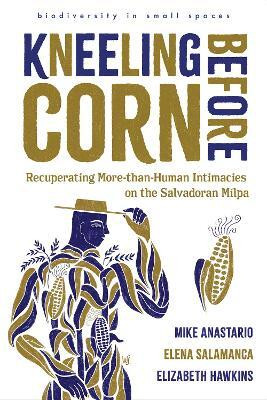
Kneeling Before Corn(English, Paperback, Anastario Mike)
- Anastario Mike
Paperback & Hardcover deals ―
Amazon IndiaGOFlipkart ₹ 4903SnapdealGOSapnaOnlineGOJain Book AgencyGOBooks Wagon₹1,101Book ChorGOCrosswordGODC BooksGOe-book & Audiobook deals ―
Amazon India GOGoogle Play Books GOAudible GO* Price may vary from time to time.
* GO = We're not able to fetch the price (please check manually visiting the website).
Know about the book -
Kneeling Before Corn(English, Paperback, Anastario Mike) is written by Anastario Mike and published by University of Arizona Press. It's available with International Standard Book Number or ISBN identification 0816553378 (ISBN 10) and 9780816553372 (ISBN 13).
The cultivation of the three sisters (corn, beans, and squash) on subsistence farms in El Salvador is a multispecies, world-making, and ongoing process. Milpa describes a small subsistence corn farm. It is derived from the word milli ('field', or a piece of land under active cultivation) in Nahuatl. The milpa is a farming practice that uses perennial, intercropping, and swidden (fire and fallow) techniques that predates the Spanish conquest of the Americas. Kneeling Before Corn focuses on the intimate relations that develop between plants and humans in the milpas of the northern rural region of El Salvador. It explores the ways in which more-than-human intimacies travel away from and return to the milpa through human networks. Collective and multivocal, this work reflects independent lines of investigation and multiple conversations between co-authors-all of whom have lived in El Salvador for extended periods of time. Throughout the six chapters, the co-authors invite readers to consider more-than-human intimacies by rethinking, experimenting with, and developing new ways of documenting, analyzing, and knowing the intimacies that form between humans and the plants that they cultivate, conserve, long for, and eat. This book offers an innovative account of rural El Salvador in the twenty-first century.
