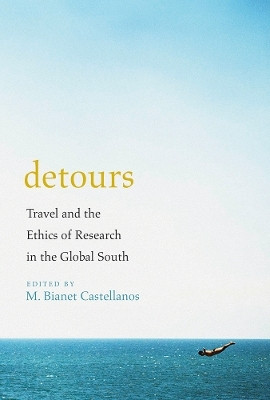
Detours(English, Paperback, unknown)
- unknown
Paperback & Hardcover deals ―
Amazon IndiaGOFlipkart ₹ 4779SnapdealGOSapnaOnlineGOJain Book AgencyGOBooks Wagon₹1,054Book ChorGOCrosswordGODC BooksGOe-book & Audiobook deals ―
Amazon India GOGoogle Play Books GOAudible GO* Price may vary from time to time.
* GO = We're not able to fetch the price (please check manually visiting the website).
Know about the book -
Detours(English, Paperback, unknown) is written by unknown and published by University of Arizona Press. It's available with International Standard Book Number or ISBN identification 0816539987 (ISBN 10) and 9780816539987 (ISBN 13).
Touring. Seeing. Knowing. Travel often evokes strong reactions and engagements. But what of the ethics and politics of this experience? Through critical, personal reflections, the essays in Detours grapple with the legacies of cultural imperialism that shape travel, research, and writing. Influenced by the works of anthropologists Ruth Behar and Renato Rosaldo, the scholars and journalists in this volume consider how first encounters-those initial, awkward attempts to learn about a culture and a people-evolved into enduring and critical engagements. Contemplating the ethics and racial politics of traveling and doing research abroad, they call attention to the power and privilege that permit researchers to enter people's lives, ask intimate questions, and publish those disclosures. Focusing on Latin America and the Caribbean, they ask, Why this place? What keeps us coming back? And what role do we play in producing narratives of inequality, uneven development, and global spectacle? The book examines the 'politics of return'-the experiences made possible by revisiting a field site over extended periods of time-of scholars and journalists who have spent decades working in and writing about Latin America and the Caribbean. Contributors aren't telling a story of enlightenment and goodwill; they focus instead on the slippages and conundrums that marked them and raised questions of their own intentions and intellectual commitments. Speaking from the intersection of race, class, and gender, the contributors explore the hubris and nostalgia that motivate returning again and again to a particular place. Through personal stories, they examine their changing ideas of Latin America and the Caribbean and how those places have shaped the people they've become, as writers, as teachers, and as activists.
