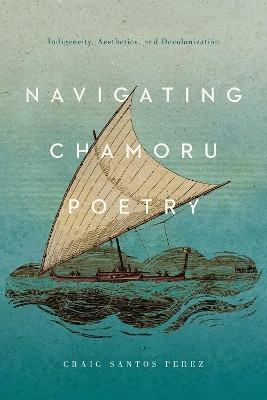
Navigating CHamoru Poetry(English, Paperback, Perez Craig Santos)
- Perez Craig Santos
Paperback & Hardcover deals ―
Amazon IndiaGOFlipkart ₹ 3840SnapdealGOSapnaOnlineGOJain Book AgencyGOBooks Wagon₹425Book ChorGOCrosswordGODC BooksGOe-book & Audiobook deals ―
Amazon India GOGoogle Play Books GOAudible GO* Price may vary from time to time.
* GO = We're not able to fetch the price (please check manually visiting the website).
Know about the book -
Navigating CHamoru Poetry(English, Paperback, Perez Craig Santos) is written by Perez Craig Santos and published by University of Arizona Press. It's available with International Standard Book Number or ISBN identification 0816535507 (ISBN 10) and 9780816535507 (ISBN 13).
Navigating CHamoru Poetry focuses on Indigenous CHamoru (Chamorro) poetry from the Pacific Island of Guahan (Guam). Poet and scholar Craig Santos Perez brings critical attention to a diverse and intergenerational collection of CHamoru poetry and scholarship. Throughout this book, Perez develops an Indigenous literary methodology called "wayreading" to navigate the complex relationship between CHamoru poetry, cultural identity, decolonial politics, diasporic migrations, and native aesthetics. Perez argues that contemporary CHamoru poetry articulates new and innovative forms of indigeneity rooted in CHamoru customary arts and values, while also routed through the profound and traumatic histories of missionization, colonialism, militarism, and ecological imperialism. This book shows that CHamoru poetry has been an inspiring and empowering act of protest, resistance, and testimony in the decolonization, demilitarization, and environmental justice movements of Guahan. Perez roots his intersectional cultural and literary analyses within the fields of CHamoru studies, Pacific Islands studies, Native American studies, and decolonial studies, using his research to assert that new CHamoru literature has been-and continues to be-a crucial vessel for expressing the continuities and resilience of CHamoru identities. This book is a vital contribution that introduces local, national, and international readers and scholars to contemporary CHamoru poetry and poetics.
