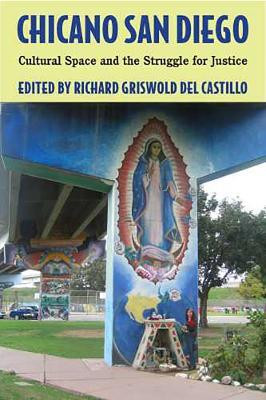
Chicano San Diego(English, Paperback, Richard Griswold del Castillo,)
- Richard Griswold del Castillo,
Paperback & Hardcover deals ―
Amazon IndiaGOFlipkart ₹ 4176SnapdealGOSapnaOnlineGOJain Book AgencyGOBooks Wagon₹1,954Book ChorGOCrosswordGODC BooksGOe-book & Audiobook deals ―
Amazon India GOGoogle Play Books GOAudible GO* Price may vary from time to time.
* GO = We're not able to fetch the price (please check manually visiting the website).
Know about the book -
Chicano San Diego(English, Paperback, Richard Griswold del Castillo,) is written by Richard Griswold del Castillo, and published by University of Arizona Press. It's available with International Standard Book Number or ISBN identification 0816525684 (ISBN 10) and 9780816525683 (ISBN 13).
The Mexican and Chicana/o residents of San Diego have a long, complicated, and rich history that has been largely ignored. This collection of essays shows how the Spanish-speaking people of this border city have created their own cultural spaces. Sensitive to issues of gender, nd paying special attention to political, economic, and cultural figures and events the contributors explore what is unique about San Diego's Mexican American history.In chronologically ordered chapters, scholars discuss how Mexican and Chicana/o people have resisted and accommodated the increasingly Anglo-oriented culture of the region. The book's early chapters recount the historical origins of San Diego and its development through the mid-nineteenth century, describe the American colonization that followed, and include examples of Latino resistance that span the twentieth centuryfrom early workers strikes to the United Farm Workers movement of the 1960s. Later chapters trace the Chicana/o Movement in the community and in the arts; the struggle against the gentrification of the barrio; and the growth of community organizing (especially around immigrants? rights) from the perspective of a community organizer.To tell this sweeping story, the contributors use a variety of approaches. Testimonios retell individual lives, ethnographies relate the stories of communities, and historical narratives uncover what has previously been ignored or discounted. The result is a unique portrait of a marginalized population that has played an important but neglected role in the development of a major American border city.
