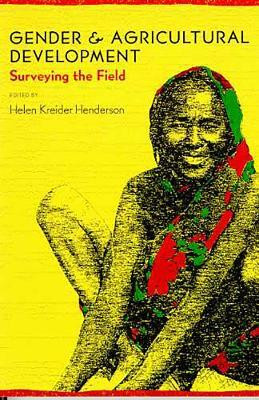
Gender and Agricultural Development(English, Paperback, Henderson Helen Kreider)
- Henderson Helen Kreider
Paperback & Hardcover deals ―
Amazon IndiaGOFlipkart ₹ 1938SnapdealGOSapnaOnlineGOJain Book AgencyGOBooks Wagon₹4,484Book ChorGOCrosswordGODC BooksGOe-book & Audiobook deals ―
Amazon India GOGoogle Play Books GOAudible GO* Price may vary from time to time.
* GO = We're not able to fetch the price (please check manually visiting the website).
Know about the book -
Gender and Agricultural Development(English, Paperback, Henderson Helen Kreider) is written by Henderson Helen Kreider and published by University of Arizona Press. It's available with International Standard Book Number or ISBN identification 0816515654 (ISBN 10) and 9780816515653 (ISBN 13).
Agricultural planning and development are crucial to human survival, but they usually proceed without any consideration of the importance of gender issues at the production level. Although women have long been prime movers in agriculture, their contribution to the world's food supply has been largely ignored, and consequently their stake in development has been undermined. This book is both a resource guide and a review of major issues in gender and agriculture which demonstrates that recognizing the contribution of women to agricultural production is a necessary step in development planning. It presents relevant information and research literature regarding women's roles in agriculture in a consolidated and accessible format, offering insights into how the inclusion or exclusion of appropriate information at the planning stage can have an impact during implementation. It also provides guidelines for locating information on gender-related agricultural issues and incorporating it into development planning, research, and training.The literature reviewed not only calls attention to the work women do in order to improve their access to technology and training but also challenges existing development paradigms. The issues discussed present women's experiences and local knowledge and allude to gender and class inequities that farming women face. Each chapter is intended to help the reader address major gender issues in a specific subject in order to access relevant information and thereby better design and implement appropriate agricultural planning and policies. By synthesizing twenty years of international research, Gender and Agricultural Development provides an effective tool for development practitioners to use in training programs or surveys in order to ensure the appropriate collection of gender disaggregated data and for educators to integrate gender issues into courses dealing with social aspects of agricultural systems. Its findings are presented in such a way as to allow them to be easily incorporated into innovative planning for more sustainable and equitable agricultural policies.
