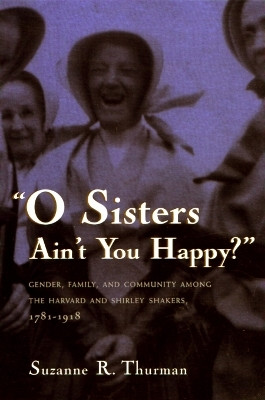
O Sisters Ain't You Happy?(English, Paperback, Thurman Suzanne R.)
- Thurman Suzanne R.
Paperback & Hardcover deals ―
Amazon IndiaGOFlipkart ₹ 2521SnapdealGOSapnaOnlineGOJain Book AgencyGOBooks Wagon₹3,850Book ChorGOCrosswordGODC BooksGOe-book & Audiobook deals ―
Amazon India GOGoogle Play Books GOAudible GO* Price may vary from time to time.
* GO = We're not able to fetch the price (please check manually visiting the website).
Know about the book -
O Sisters Ain't You Happy?(English, Paperback, Thurman Suzanne R.) is written by Thurman Suzanne R. and published by Syracuse University Press. It's available with International Standard Book Number or ISBN identification 0815629346 (ISBN 10) and 9780815629344 (ISBN 13).
Drawing on archival material from Shaker members, observers, and apostates, noted historian Suzanne R. Thurman offers a scholarly yet eminently readable study of life in two of the oldest, most prominent American Shaker villages: the Harvard and Shirley communities of massachusetts. Even as she delves into the complex fabric of Shaker social life, Thurman challenges traditional perceptions of gender roles within the community. Shaker spiritual and social ethics, she points out, strongly favored women. Celibacy and an androgynous theology, for instance, allowed androgynous social roles to evolve. Another key factor was the lively arena of nineteenth-century reformers and intellectuals in nearby Boston. With admirable detail, Thurman documents the relationship that grew between these forward thinkers and the Believers. Their influence, she argues, enlightened Shaker consciousness and empowered their women of Harvard and Shirley with opportunities denied them in the world at large. The author also explores links, particularly economic, between Shakers and the greater American society. Treating Harvard and Shirley Believers as an idiosyncratic part of the nation rather than a fringe group, Thurman sheds new light on their constant struggle to be in the world but not of it.
