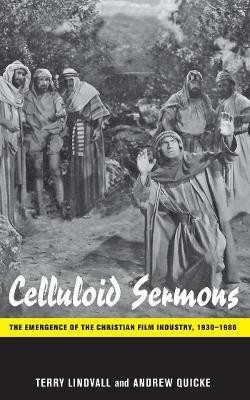
Celluloid Sermons(English, Hardcover, Lindvall Terry)
- Lindvall Terry
Paperback & Hardcover deals ―
Amazon IndiaGOFlipkart ₹ 4385SnapdealGOSapnaOnlineGOJain Book AgencyGOBooks Wagon₹1,023Book ChorGOCrosswordGODC BooksGOe-book & Audiobook deals ―
Amazon India GOGoogle Play Books GOAudible GO* Price may vary from time to time.
* GO = We're not able to fetch the price (please check manually visiting the website).
Know about the book -
Celluloid Sermons(English, Hardcover, Lindvall Terry) is written by Lindvall Terry and published by New York University Press. It's available with International Standard Book Number or ISBN identification 0814753248 (ISBN 10) and 9780814753248 (ISBN 13).
Christian filmmaking, done outside of the corporate Hollywood industry and produced for Christian churches, affected a significant audience of church people. Protestant denominations and individuals believed that they could preach and teach more effectively through the mass medium of film. Although suspicion toward the film industry marked many conservatives during the early 1930s, many Christian leaders came to believe in the power of technology to convert or to morally instruct people. Thus the growth of a Christian film industry was an extension of the Protestant tradition of preaching, with the films becoming celluloid sermons. Celluloid Sermons is the first historical study of this phenomenon. Terry Lindvall and Andrew Quicke highlight key characters, studios, and influential films of the movement from 1930 to 1986-such as the Billy Graham Association, with its major WorldWide Pictures productions of films like The Hiding Place, Ken Curtis' Gateway Films, the apocalyptic "end-time" films by Mark IV (e.g. Thief in the Night), and the instructional video-films of Dobson's Focus on the Family--assessing the extent to which the church's commitment to filmmaking accelerated its missions and demonstrating that its filmic endeavors had the unintended consequence of contributing to the secularization of liberal denominations.
