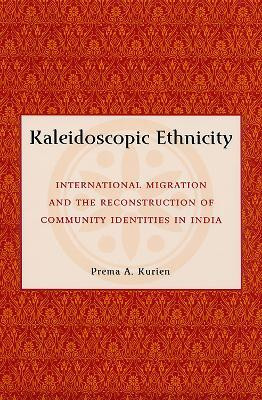
Kaleidoscopic Ethnicity(English, Hardcover, Kurien Prema A.)
- Kurien Prema A.
Paperback & Hardcover deals ―
Amazon IndiaGOFlipkart ₹ 6730SnapdealGOSapnaOnlineGOJain Book AgencyGOBooks Wagon₹1,376Book ChorGOCrosswordGODC BooksGOe-book & Audiobook deals ―
Amazon India GOGoogle Play Books GOAudible GO* Price may vary from time to time.
* GO = We're not able to fetch the price (please check manually visiting the website).
Know about the book -
Kaleidoscopic Ethnicity(English, Hardcover, Kurien Prema A.) is written by Kurien Prema A. and published by Rutgers University Press. It's available with International Standard Book Number or ISBN identification 081353089X (ISBN 10) and 9780813530895 (ISBN 13).
Co-Winner of the 2003 American Sociological Association's Asia/Asian American book award. Based on ethnographic research in three communities (Ezhava Hindu, Mappila Muslim, and Syrian Christian) in Kerala, India, which sent large numbers of workers to the Middle East for temporary jobs, Kaleidoscopic Ethnicity explores the factors responsible for the striking differences in the groups' patterns of migration and migration-induced social change. Most broadly, Prema Kurien seeks to understand what ethnicity is and how it affects people's activities and decisions. She argues that, in each case, a community-specific nexus of religion, gender, and status shaped migration, and was, in turn, transformed by it. The religious background of the three groups determined their social location within colonial and postcolonial Kerala. This social location in turn affected their occupational profiles, family structures, and social networks, as well as their conceptions of gender and honor, and thus was fundamental in shaping migration patterns. The rapid enrichment brought about by international migration resulted in a reinterpretation of religious identity and practice which was manifested by changes in patterns of gendered behavior and status in each of the three communities. What makes this book unique is its focus on the sociocultural patterns of short-term international migration and its comparative ethnographic approach.
