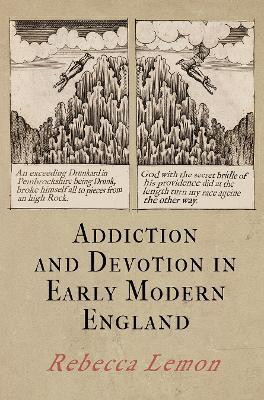
Addiction and Devotion in Early Modern England(English, Electronic book text, Lemon Rebecca)
- Lemon Rebecca
Paperback & Hardcover deals ―
Amazon IndiaGOFlipkart ₹ 2522SnapdealGOSapnaOnlineGOJain Book AgencyGOBooks Wagon₹487Book ChorGOCrosswordGODC BooksGOe-book & Audiobook deals ―
Amazon India GOGoogle Play Books ₹16.17Audible GO* Price may vary from time to time.
* GO = We're not able to fetch the price (please check manually visiting the website).
Know about the book -
Addiction and Devotion in Early Modern England(English, Electronic book text, Lemon Rebecca) is written by Lemon Rebecca and published by University of Pennsylvania Press. It's available with International Standard Book Number or ISBN identification 0812294815 (ISBN 10) and 9780812294811 (ISBN 13).
Rebecca Lemon illuminates a previously-buried conception of addiction, as a form of devotion at once laudable, difficult, and extraordinary, that has been concealed by the persistent modern link of addiction to pathology. Surveying sixteenth-century invocations, she reveals how early moderns might consider themselves addicted to study, friendship, love, or God. However, she also uncovers their understanding of addiction as a form of compulsion that resonates with modern scientific definitions. Specifically, early modern medical tracts, legal rulings, and religious polemic stressed the dangers of addiction to alcohol in terms of disease, compulsion, and enslavement. Yet the relationship between these two understandings of addiction was not simply oppositional, for what unites these discourses is a shared emphasis on addiction as the overthrow of the will. Etymologically, "addiction" is a verbal contract or a pledge, and even as sixteenth-century audiences actively embraced addiction to God and love, writers warned against commitment to improper forms of addiction, and the term became increasingly associated with disease and tyranny. Examining canonical texts including Doctor Faustus, Twelfth Night, Henry IV, and Othello alongside theological, medical, imaginative, and legal writings, Lemon traces the variety of early modern addictive attachments. Although contemporary notions of addiction seem to bear little resemblance to its initial meanings, Lemon argues that the early modern period's understanding of addiction is relevant to our modern conceptions of, and debates about, the phenomenon.
