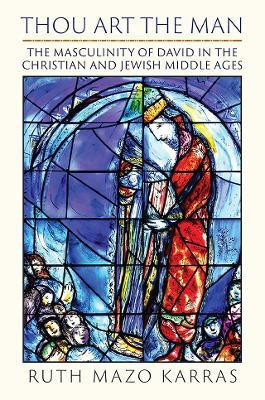
Thou Art the Man(English, Hardcover, Karras Ruth Mazo)
- Karras Ruth Mazo
Paperback & Hardcover deals ―
Amazon IndiaGOFlipkart ₹ 6274SnapdealGOSapnaOnlineGOJain Book AgencyGOBooks Wagon₹205Book ChorGOCrosswordGODC BooksGOe-book & Audiobook deals ―
Amazon India GOGoogle Play Books GOAudible GO* Price may vary from time to time.
* GO = We're not able to fetch the price (please check manually visiting the website).
Know about the book -
Thou Art the Man(English, Hardcover, Karras Ruth Mazo) is written by Karras Ruth Mazo and published by University of Pennsylvania Press. It's available with International Standard Book Number or ISBN identification 0812253027 (ISBN 10) and 9780812253023 (ISBN 13).
"How do we approach the study of masculinity in the past?" Ruth Mazo Karras asks. Medieval documents that have come down to us tell a great deal about the things that men did, but not enough about what they did specifically as men, or what these practices meant to them in terms of masculinity. Yet no less than in our own time, masculinity was a complicated construct in the Middle Ages. In Thou Art the Man, Karras focuses on one figure, King David, who was important in both Christian and Jewish medieval cultures, to show how he epitomized many and sometimes contradictory aspects of masculine identity. For late medieval Christians, he was one of the Nine Worthies, held up as a model of valor and virtue; for medieval Jews, he was the paradigmatic king, not just a remnant of the past, but part of a living heritage. In both traditions he was warrior, lover, and friend, founder of a dynasty and a sacred poet. But how could an exemplar of virtue also be a murderer and adulterer? How could a physical weakling be a great warrior? How could someone whose claim to the throne was not dynastic be a key symbol of the importance of dynasty? And how could someone who dances with slaves be noble? Exploring the different configurations of David in biblical and Talmudic commentaries, in Latin, Hebrew, and vernacular literatures across Europe, in liturgy, and in the visual arts, Thou Art the Man offers a rich case study of how ideas and ideals of masculinity could bend to support a variety of purposes within and across medieval cultures.
