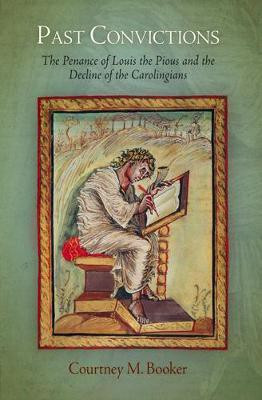
Past Convictions(English, Hardcover, Booker Courtney M.)
- Booker Courtney M.
Paperback & Hardcover deals ―
Amazon IndiaGOFlipkart ₹ 9455SnapdealGOSapnaOnlineGOJain Book AgencyGOBooks Wagon₹569Book ChorGOCrosswordGODC BooksGOe-book & Audiobook deals ―
Amazon India GOGoogle Play Books GOAudible GO* Price may vary from time to time.
* GO = We're not able to fetch the price (please check manually visiting the website).
Know about the book -
Past Convictions(English, Hardcover, Booker Courtney M.) is written by Booker Courtney M. and published by University of Pennsylvania Press. It's available with International Standard Book Number or ISBN identification 0812241681 (ISBN 10) and 9780812241686 (ISBN 13).
How do people, in both the past and the present, think about moments of social and political crisis, and how do they respond to them? What are the interpretive codes by which troubling events are read and given meaning, and what part do these codes play in suggesting specific strategies for coping with the world? In Past Convictions Courtney Booker attempts to answer these questions by examining the controversial divestiture and public penance of Charlemagne's son, the Emperor Louis the Pious, in 833. Historians have customarily viewed the event as marking the beginning of the end of the Carolingian dynasty. Exploring how both contemporaries and subsequent generations thought about Louis's forfeiture of the throne, Booker contends that certain vivid ninth-century narratives reveal a close but ephemeral connection between historiography and the generic conventions of comedy and tragedy. In tracing how writers of later centuries built upon these dramatic Carolingian accounts to tell a larger story of faith, betrayal, political expediency, and decline, he explicates the ways historiography shapes our vision of the past and what we think we know about it, and the ways its interpretive models may fall short.
