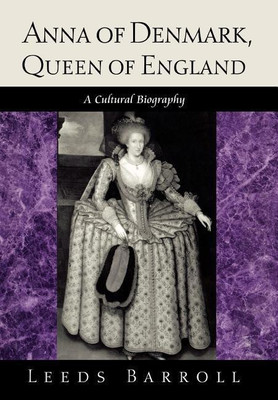
Anna of Denmark, Queen of England(English, Hardcover, Barroll Leeds)
- Barroll Leeds
Paperback & Hardcover deals ―
Amazon IndiaGOFlipkart ₹ 5857SnapdealGOSapnaOnlineGOJain Book AgencyGOBooks Wagon₹311Book ChorGOCrosswordGODC BooksGOe-book & Audiobook deals ―
Amazon India GOGoogle Play Books GOAudible GO* Price may vary from time to time.
* GO = We're not able to fetch the price (please check manually visiting the website).
Know about the book -
Anna of Denmark, Queen of England(English, Hardcover, Barroll Leeds) is written by Barroll Leeds and published by University of Pennsylvania Press. It's available with International Standard Book Number or ISBN identification 0812235746 (ISBN 10) and 9780812235746 (ISBN 13).
In the well-entrenched critical view of the Jacobean period, James I is credited with the flowering of culture in the early years of the seventeenth century. His queen, Anna of Denmark, is seen as a shadowy figure at best, a capricious and shallow one at worst. But Leeds Barroll makes a well-documented case that it was Anna who, for her own purposes, developed an alternative court and sponsored many of the other artistic ventures in one of the most productive and innovative periods of English cultural history. Married at seventeen, Anna soon became a shrewd and powerful player in the court politics of Scotland and, later, England. Her influence can be seen in James's choices for advisors and beneficiaries of royal attention. In fact, James's and Anna's longstanding dispute over the raising of the heir, Henry, caused a major scandal of the time and was suspected as a plot against the king's safety. In order to assert her own power, Anna actually forced a miscarriage upon herself, an extraordinary event that is referred to in much unnoticed contemporary diplomatic correspondence. An important feature of court entertainment and literary production at this time was the development of the extravagant drama known as the masque, which reached its literary peak in the works of Ben Jonson and Inigo Jones. Barroll argues that it was in fact Anna and not James who encouraged and staged the masques, as a way of defining both a social and political identity for the royal consort, a role that had been nonexistent under Elizabeth. Barroll's work on Anna's patronage also sets Shakespeare's company in a broader context. By writing the cultural biography of Anna of Denmark, queen of England, Leeds Barroll reestablishes the influential and distinctive role of the queen consort in early modern Europe.
