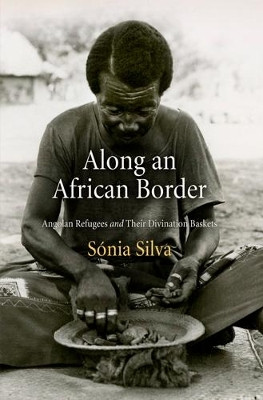
Along an African Border(English, Electronic book text, Silva Sonia)
- Silva Sonia
Paperback & Hardcover deals ―
Amazon IndiaGOFlipkart ₹ 3381SnapdealGOSapnaOnlineGOJain Book AgencyGOBooks Wagon₹468Book ChorGOCrosswordGODC BooksGOe-book & Audiobook deals ―
Amazon India GOGoogle Play Books GOAudible GO* Price may vary from time to time.
* GO = We're not able to fetch the price (please check manually visiting the website).
Know about the book -
Along an African Border(English, Electronic book text, Silva Sonia) is written by Silva Sonia and published by University of Pennsylvania Press. It's available with International Standard Book Number or ISBN identification 0812203739 (ISBN 10) and 9780812203738 (ISBN 13).
The divination baskets of south Central Africa are woven for a specific purpose. The baskets, known as lipele, contain sixty or so small articles, from seeds, claws, and minuscule horns to wooden carvings. Each article has its own name and symbolic meaning, and collectively they are known as jipelo. For the Luvale and related peoples, the lipele is more than a container of souvenirs; it is a tool, a source of crucial information from the ancestral past and advice for the future. In Along an African Border, anthropologist SOnia Silva examines how Angolan refugees living in Zambia use these divination baskets to cope with daily life in a new land. Silva documents the special processes involved in weaving the baskets and transforming them into oracles. She speaks with diviners who make their living interpreting lipele messages and speaks also with their knowledge-seeking clients. To the Luvale, these baskets are capable of thinking, hearing, judging, and responding. They communicate by means of jipelo articles drawn in configurations, interact with persons and other objects, punish wrongdoers, assist people in need, and, much like humans, go through a life course that is marked with an initiation ceremony and a special burial. The lipele functions in a state between object and person. Notably absent from lipele divination is any discussion or representation in the form of symbolic objects of the violence in Angola or the Luvale's relocation struggles-instead, the consultation focuses on age-old personal issues of illness, reproduction, and death. As Silva demonstrates in this sophisticated and richly illustrated ethnography, lipele help people maintain their links to kin and tradition in a world of transience and uncertainty.
