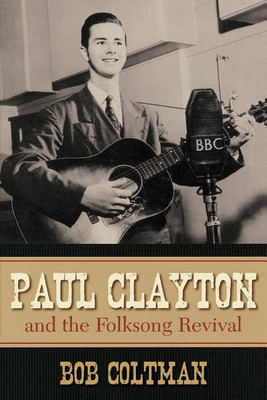
Paul Clayton and the Folksong Revival(English, Paperback, Coltman Bob)
- Coltman Bob
Paperback & Hardcover deals ―
Amazon IndiaGOFlipkart ₹ 11688SnapdealGOSapnaOnlineGOJain Book AgencyGOBooks Wagon₹375Book ChorGOCrosswordGODC BooksGOe-book & Audiobook deals ―
Amazon India GOGoogle Play Books GOAudible GO* Price may vary from time to time.
* GO = We're not able to fetch the price (please check manually visiting the website).
Know about the book -
Paul Clayton and the Folksong Revival(English, Paperback, Coltman Bob) is written by Coltman Bob and published by Scarecrow Press. It's available with International Standard Book Number or ISBN identification 0810861321 (ISBN 10) and 9780810861329 (ISBN 13).
A scholar and a balladeer, Paul Clayton (1931-1967) is credited with the Top-Ten hit "Gotta Travel On" and was a key figure in the mid-1950s rise of folksong to media popularity. Clayton single-handedly brought hundreds of obscure folksongs to the mainstream radio and recording market, and he influenced listeners and friends from Dave Van Ronk to Bob Dylan, who considered Clayton a mentor, "mindguard," and well of folksong. Paul Clayton and the Folksong Revival is the first biography of the folk singer and song collector. Using accounts from friends, family, and fellow musicians, author Bob Coltman relates the breadth and depth of Clayton's extraordinary life, from his birth into a singing family and his teenage years as a radio singer and folksong collector, to his establishment in New York as a folk performer and recording artist, to his tragic early suicide. Clayton's recordings are also examined, interspersed with his insights and adventures as a performer and songwriter in the folk world. Gradually, Clayton's achievements become overwhelmed by his disintegration as a drug user, failing musician, and bipolar gay man, culminating in eyewitness accounts relating to his tragic end. Presenting an in-depth look at folk music in the 1950s, Coltman illuminates what it meant to be a working, but not starring, folksinger in this period. With quotes from a number of folksongs, a discographic summary, and a bibliography, this volume brings to life this intelligent, perceptive, and largely unknown scholar-folksinger.
