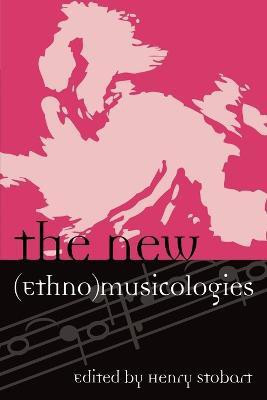
The New (Ethno)musicologies(English, Paperback, unknown)
- unknown
Paperback & Hardcover deals ―
Amazon IndiaGOFlipkart ₹ 8809SnapdealGOSapnaOnlineGOJain Book AgencyGOBooks Wagon₹1,181Book ChorGOCrosswordGODC BooksGOe-book & Audiobook deals ―
Amazon India GOGoogle Play Books GOAudible GO* Price may vary from time to time.
* GO = We're not able to fetch the price (please check manually visiting the website).
Know about the book -
The New (Ethno)musicologies(English, Paperback, unknown) is written by unknown and published by Scarecrow Press. It's available with International Standard Book Number or ISBN identification 0810861011 (ISBN 10) and 9780810861015 (ISBN 13).
Over the past twenty years, a range of radical developments has revolutionized musicology, leading certain practitioners to describe their discipline as 'New.' What has happened to ethnomusicology during this period? Have its theories, methodologies, and values remain rooted in the 1970s and 1980s or have they also transformed? What directions might or should it take in the new millennium? The New (Ethno)musicologies seeks to answer these questions by addressing and critically examining key issues in contemporary ethnomusicology. Set in two parts, the volume explores ethnomusicology's shifting relationship to other disciplines and to its own 'mythic' histories and plots a range of potential developments for its future. It attempts to address how ethnomusicology might be viewed by those working both inside and outside the discipline and what its broader contribution and relevance might be within and beyond the academy. Henry Stobart has collected essays from key figures in ethnomusicology and musicology, including Caroline Bithell, Martin Clayton, Fabian Holt, Jim Samson, and Abigail Wood, as well as Europea series editors, Martin Stokes and Philip V. Bohlman. The engaging result presents a range of perspectives, reflecting on disciplinary change, methodological developments, and the broader sphere of music scholarship in a fresh and unique way, and will be a key source for students and scholars.
