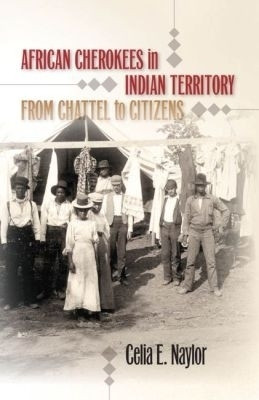
African Cherokees in Indian Territory(English, Hardcover, Naylor Celia E.)
- Naylor Celia E.
Paperback & Hardcover deals ―
Amazon IndiaGOFlipkart ₹ 2928SnapdealGOSapnaOnlineGOJain Book AgencyGOBooks Wagon₹364Book ChorGOCrosswordGODC BooksGOe-book & Audiobook deals ―
Amazon India GOGoogle Play Books GOAudible GO* Price may vary from time to time.
* GO = We're not able to fetch the price (please check manually visiting the website).
Know about the book -
African Cherokees in Indian Territory(English, Hardcover, Naylor Celia E.) is written by Naylor Celia E. and published by The University of North Carolina Press. It's available with International Standard Book Number or ISBN identification 0807832030 (ISBN 10) and 9780807832035 (ISBN 13).
This book describes the acculturation and resistance in the Cherokee Nation.Forcibly removed from their homes in the late 1830s, Cherokee, Creek, Choctaw, and Chickasaw Indians brought their African-descended slaves with them along the Trail of Tears and resettled in Indian Territory, present-day Oklahoma. Celia E. Naylor vividly charts the experiences of enslaved and free African Cherokees from the Trail of Tears to Oklahoma's entry into the Union in 1907. Carefully extracting the voices of former slaves from interviews and mining a range of sources in Oklahoma, she creates an engaging narrative of the composite lives of African Cherokees. Naylor explores how slaves connected with Indian communities not only through Indian customs - language, clothing, and food - but also through bonds of kinship.Examining this intricate and emotionally charged history, Naylor demonstrates that the "red over black" relationship was no more benign than "white over black." She presents new angles to traditional understandings of slave resistance and counters previous romanticized ideas of slavery in the Cherokee Nation.She also challenges contemporary racial and cultural conceptions of African-descended people in the United States. Naylor reveals how black Cherokee identities evolved reflecting complex notions about race, culture, "blood," kinship, and nationality. Indeed, Cherokee freed people's struggle for recognition and equal rights that began in the nineteenth century continues even today in Oklahoma.
