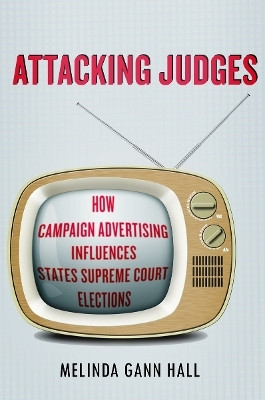
Attacking Judges(English, Electronic book text, Hall Melinda Gann)
- Hall Melinda Gann
Paperback & Hardcover deals ―
Amazon IndiaGOFlipkart ₹ 2810SnapdealGOSapnaOnlineGOJain Book AgencyGOBooks Wagon₹2,720Book ChorGOCrosswordGODC BooksGOe-book & Audiobook deals ―
Amazon India GOGoogle Play Books ₹15.12Audible GO* Price may vary from time to time.
* GO = We're not able to fetch the price (please check manually visiting the website).
Know about the book -
Attacking Judges(English, Electronic book text, Hall Melinda Gann) is written by Hall Melinda Gann and published by Stanford University Press. It's available with International Standard Book Number or ISBN identification 0804793093 (ISBN 10) and 9780804793094 (ISBN 13).
Nasty, below-the-belt campaigns, mudslinging, and character attacks. These tactics have become part and parcel of today's election politics in America, and judicial elections are no exception. Attacking Judges takes a close look at the effects of televised advertising, including harsh attacks, on state supreme court elections. Author Melinda Gann Hall investigates whether these divisive elections have damaging consequences for representative democracy. To do this, Hall focuses on two key aspects of those elections: the vote shares of justices seeking reelection and the propensity of state electorates to vote. In doing so, Attacking Judges explores vital dimensions of the conventional wisdom that campaign politics has deleterious consequences for judges, voters, and state judiciaries. Countering the prevailing wisdom with empirically based conclusions, Hall uncovers surprising and important insights, including new revelations on how attack ads influence public engagement with judicial elections and their relative effectiveness in various types of state elections. Attacking Judges is a testament to the power of institutions in American politics and the value of empirical political science research in helping to inform some of the most significant debates on the public agenda. This book's results smartly contest and eradicate many of the fears judicial reformers have about the damaging effects of campaign negativity in modern state supreme court elections.
