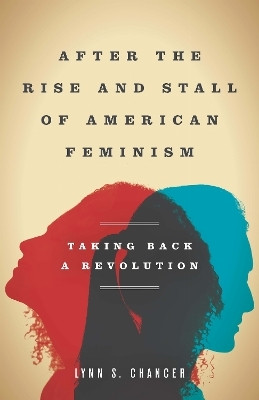
After the Rise and Stall of American Feminism(English, Hardcover, Chancer Lynn S.)
- Chancer Lynn S.
Paperback & Hardcover deals ―
Amazon IndiaGOFlipkart ₹ 2615SnapdealGOSapnaOnlineGOJain Book AgencyGOBooks Wagon₹540Book ChorGOCrosswordGODC BooksGOe-book & Audiobook deals ―
Amazon India GOGoogle Play Books GOAudible GO* Price may vary from time to time.
* GO = We're not able to fetch the price (please check manually visiting the website).
Know about the book -
After the Rise and Stall of American Feminism(English, Hardcover, Chancer Lynn S.) is written by Chancer Lynn S. and published by Stanford University Press. It's available with International Standard Book Number or ISBN identification 0804774374 (ISBN 10) and 9780804774376 (ISBN 13).
It is more than fifty years since Betty Friedan diagnosed malaise among suburban housewives and the National Organization of Women was founded. Across the decades, the feminist movement brought about significant progress on workplace discrimination, reproductive rights, and sexual assault. Yet, the proverbial million-dollar question remains: why is there still so much to be done? With this book, Lynn S. Chancer takes stock of the American feminist movement and engages with a new burst of feminist activism. She articulates four common causes-advancing political and economic equality, allowing intimate and sexual freedom, ending violence against women, and expanding the cultural representation of women-considering each in turn to assess what has been gained (or not). It is around these shared concerns, Chancer argues, that we can continue to build a vibrant and expansive feminist movement. After the Rise and Stall of American Feminism takes the long view of the successes and shortcomings of feminism(s). Chancer articulates a broad agenda developed through advancing intersectional concerns about class, race, and sexuality. She advocates ways to reduce the divisiveness that too frequently emphasizes points of disagreement over shared aims. And she offers a vision of individual and social life that does not separate the "personal" from the "political." Ultimately, this book is about not only redressing problems, but also reasserting a future for feminism and its enduring ability to change the world.
