Working Women, Entrepreneurs, and the Mexican Revolution(English, Paperback, Fowler-Salamini Heather)
- Fowler-Salamini Heather
Paperback & Hardcover deals ―
Amazon IndiaGOFlipkart ₹ 4766SnapdealGOSapnaOnlineGOJain Book AgencyGOBooks Wagon₹339Book ChorGOCrosswordGODC BooksGOe-book & Audiobook deals ―
Amazon India GOGoogle Play Books GOAudible GO* Price may vary from time to time.
* GO = We're not able to fetch the price (please check manually visiting the website).
Know about the book -
Working Women, Entrepreneurs, and the Mexican Revolution(English, Paperback, Fowler-Salamini Heather) is written by Fowler-Salamini Heather and published by University of Nebraska Press. It's available with International Standard Book Number or ISBN identification 0803243715 (ISBN 10) and 9780803243712 (ISBN 13).
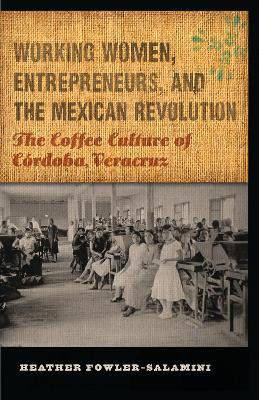
In the 1890s, Spanish entrepreneurs spearheaded the emergence of Cordoba, Veracruz, as Mexico's largest commercial center for coffee preparation and export to the Atlantic community. Seasonal women workers quickly became the major part of the agroindustry's labor force. As they grew in numbers and influence in the first half of the twentieth century, these women shaped the workplace culture and contested gender norms through labor union activism and strong leadership. Their fight for workers' rights was supported by the revolutionary state and negotiated within its industrial-labor institutions until they were replaced by machines in the 1960s. Heather Fowler-Salamini's Working Women, Entrepreneurs, and the Mexican Revolution analyzes the interrelationships between the region's immigrant entrepreneurs, workforce, labor movement, gender relations, and culture on the one hand, and social revolution, modernization, and the Atlantic community on the other between the 1890s and the 1960s. Using extensive archival research and oral-history interviews, Fowler-Salamini illustrates the ways in which the immigrant and women's work cultures transformed Cordoba's regional coffee economy and in turn influenced the development of the nation's coffee agro-export industry and its labor force.
