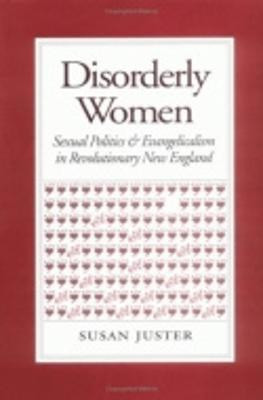
Disorderly Women(English, Paperback, Juster Susan)
- Juster Susan
Paperback & Hardcover deals ―
Amazon IndiaGOFlipkart ₹ 2576SnapdealGOSapnaOnlineGOJain Book AgencyGOBooks Wagon₹1,372Book ChorGOCrosswordGODC BooksGOe-book & Audiobook deals ―
Amazon India GOGoogle Play Books GOAudible GO* Price may vary from time to time.
* GO = We're not able to fetch the price (please check manually visiting the website).
Know about the book -
Disorderly Women(English, Paperback, Juster Susan) is written by Juster Susan and published by Cornell University Press. It's available with International Standard Book Number or ISBN identification 0801483883 (ISBN 10) and 9780801483882 (ISBN 13).
Throughout most of the eighteenth century and particularly during the religious revivals of the Great Awakening, evangelical women in colonial New England participated vigorously in major church decisions, from electing pastors to disciplining backsliding members. After the Revolutionary War, however, women were excluded from political life, not only in their churches but in the new republic as well. Reconstructing the history of this change, Susan Juster shows how a common view of masculinity and femininity shaped both radical religion and revolutionary politics in America. Juster compares contemporary accounts of Baptist women and men who voice their conversion experiences, theological opinions, and proccupation with personal conflicts and pastoral controversies. At times, the ardent revivalist message of spiritual individualism appeared to sanction sexual anarchy. According to one contemporary, revival attempted "to make all things common, wives as well as goods." The place of women at the center of evangelical life in the mid-eighteenth century, Juster finds, reflected the extent to which evangelical religion itself was perceived as "feminine"-emotional, sensional, and ultimately marginal. In the 1760s, the Baptist order began to refashion its mission, and what had once been a community of saints-often indifferent to conventional moral or legal constraints-was transformed into a society of churchgoers with a concern for legitimacy. As the church was reconceptualized as a "household" ruled by "father" figures, "feminine" qualities came to define the very essence of sin. Juster observes that an image of benevolent patriarchy threatened by the specter of female power was a central motif of the wider political culture during the age of democratic revolutions.
